More Bewick's Swans. Winter 2017/18.
Sound by Ruud Van Beusekom.
Click to edit text. What do visitors to your website need to know about you and your business?
The mild weather throughout Europe has delayed the arrival of many different species that overwinter in the UK.
November 30th, just about two weeks later than the previous year, the first arrival's of Bewick's Swan into North Kent on a blustery morning are a party of four , asleep and showing signs of rusty stained plumage, caused by feeding in iron rich waters on their journey back to the UK.
Click on images below to enlarge.
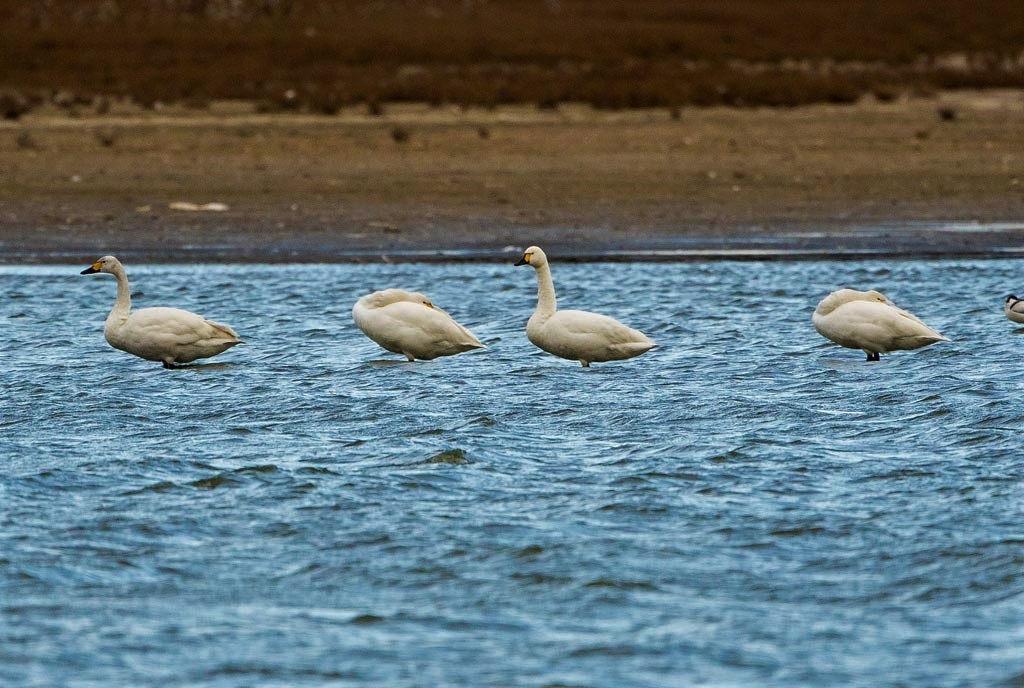
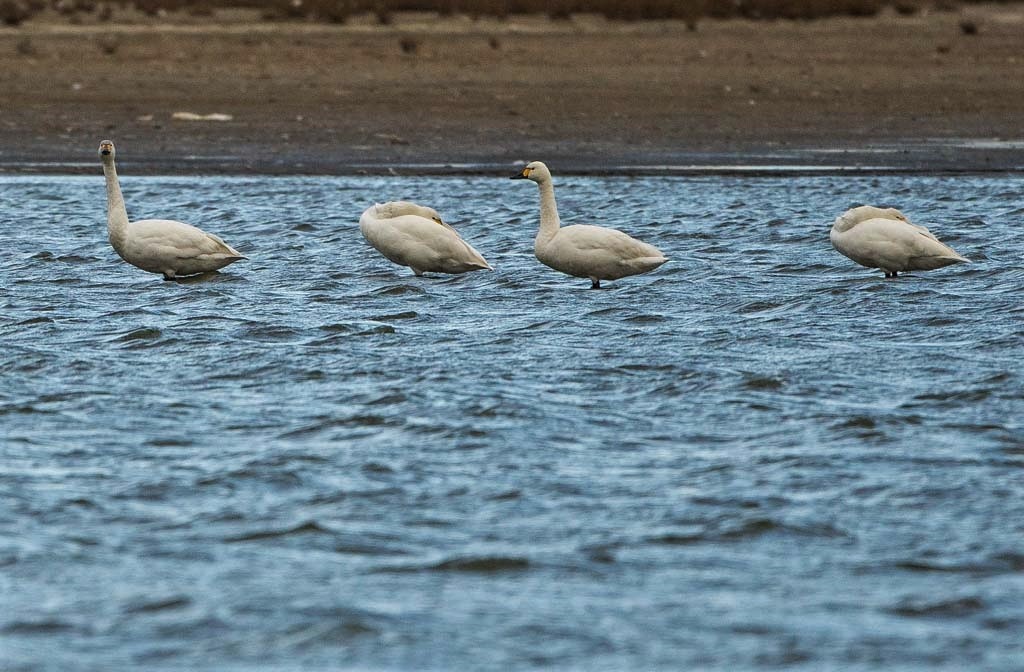
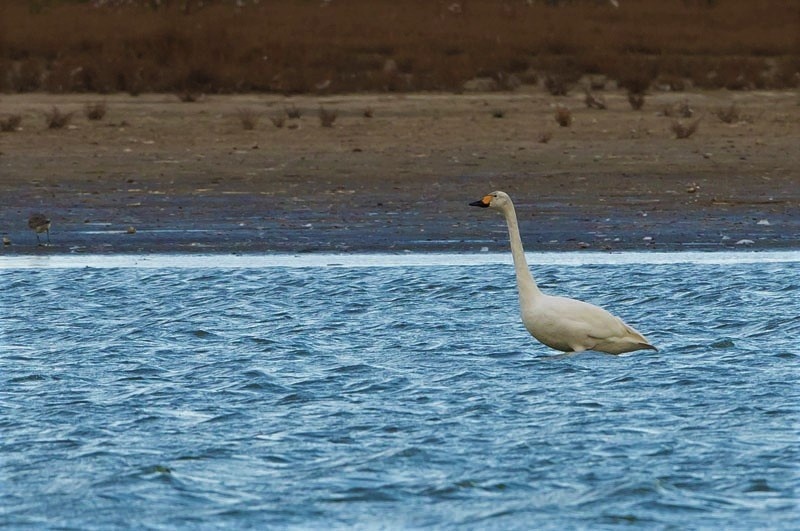
A great start to the "Bewick's" winter2017/18, got better as one of the first four was rung. After waking up it was evident that this was only a stop over for the group and their winter home was not going to be North Kent. This was understandable as the strong north winds of the previous few days would have played a part in this group being in North Kent and not further north.
Click to enlarge.
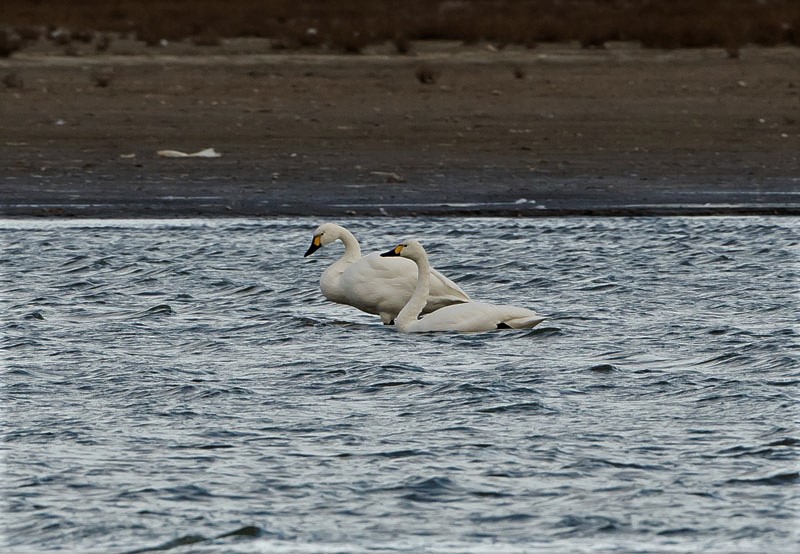
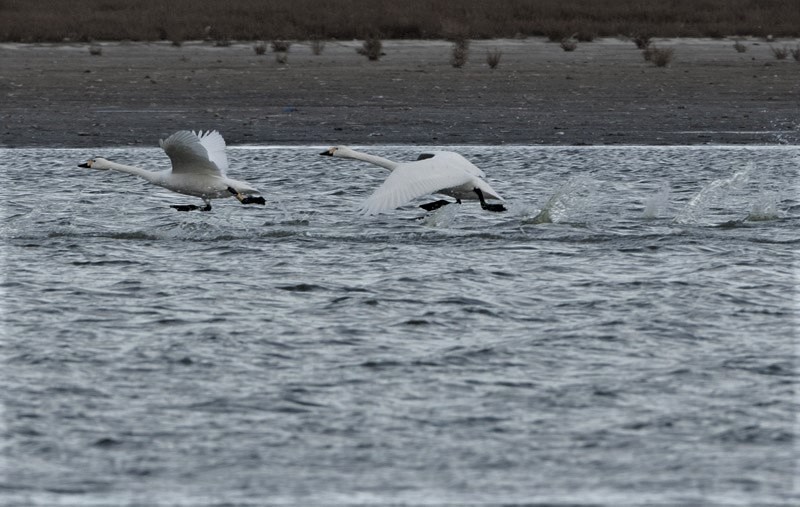
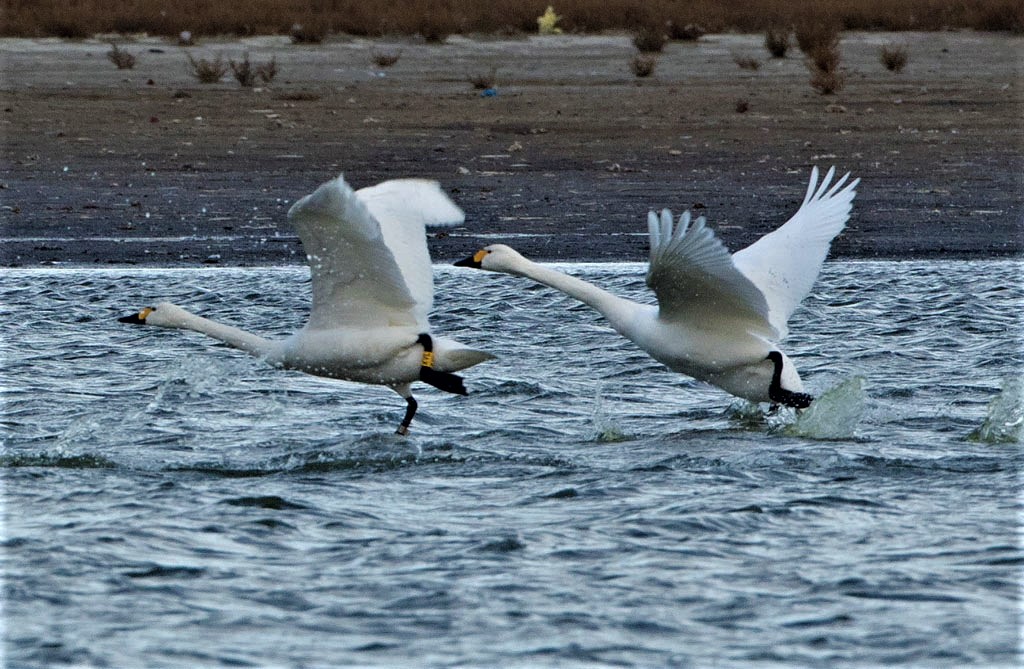
After a brief stay of thirty minutes or so "XVL" and party were up and away going north , probably on route to WWT Welney was our guess at the time as the wind had turned to West North West.
After Subsequent reporting to WWT , XVL was a female rung in the summer 2017 at Khabuika in the Russian Tundra and was the first ring sighting of a Bewick's Swan in the winter 2017/18 in the UK .
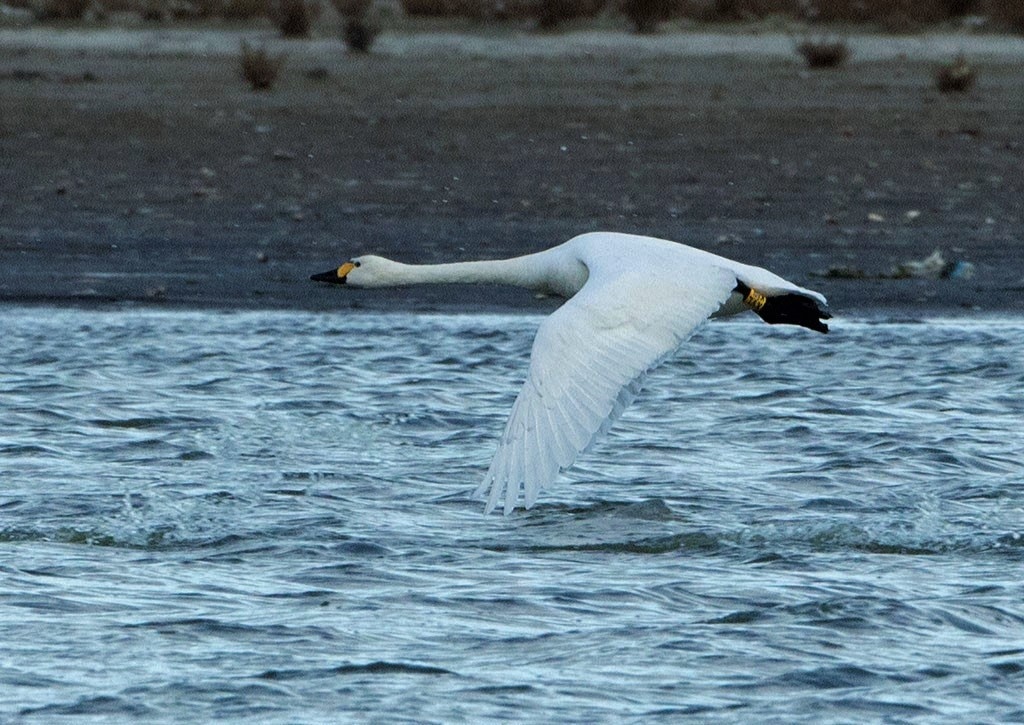
Small world at times, as on route back to the UK from the Russian Tundra it seems as XVL was sighted at the Plodder, Wieringermeer in Holland, big thanks to Wim Tijsen who passed on a sighting by Otto de Vries from the 28th November .
Even smaller world as when Wim came to the UK for the Swan Festival at WWT Welney in January 2018 , Wim sighted XVL, more thanks Wim.
Our luck held and on the 1st December a group of five, which included two juvenile's flew over and put down late afternoon.
Click to edit text. What do visitors to your website need to know about you and your business?
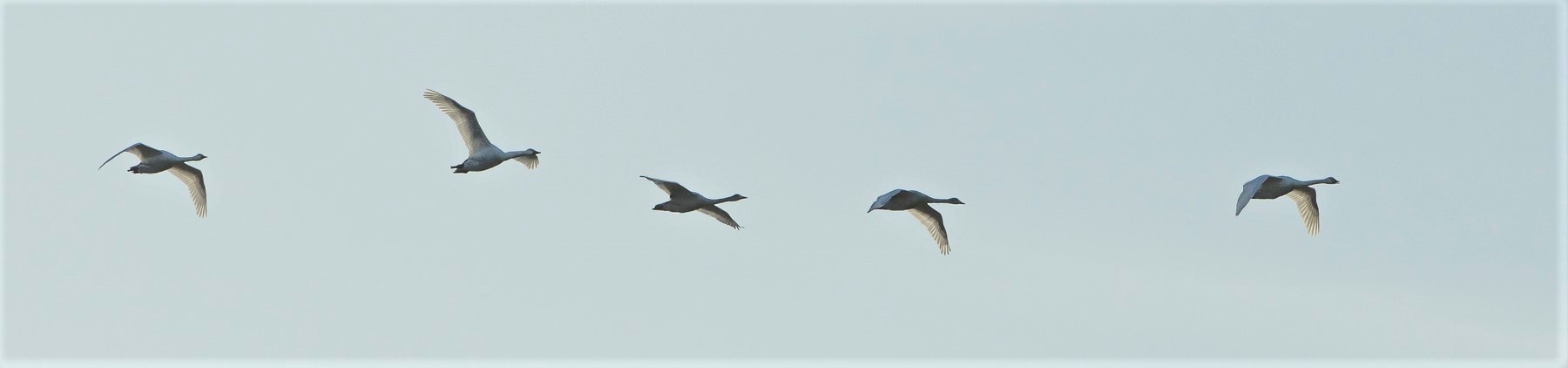
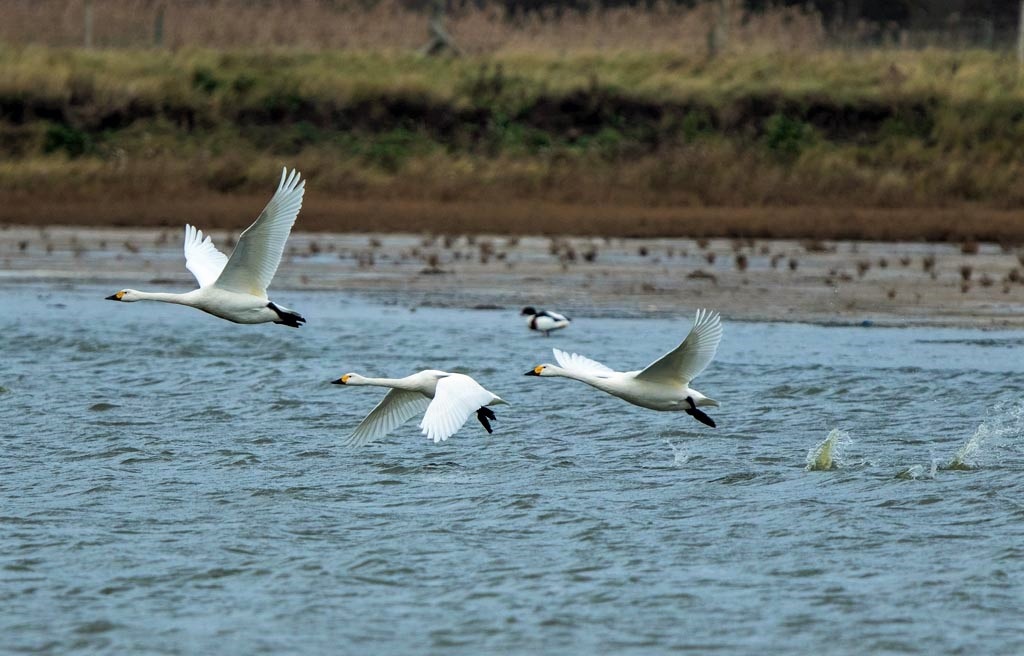
After an unforgettable group bonding exchange for thirty minutes or so, firstly with all five and then two Adults and the two juvenile's the group was up and away heading North the same as the party of four from the day before, probably towards Welney.
Click to edit text. What do visitors to your website need to know about you and your business?
Party of five Bewick's Swans after landing.
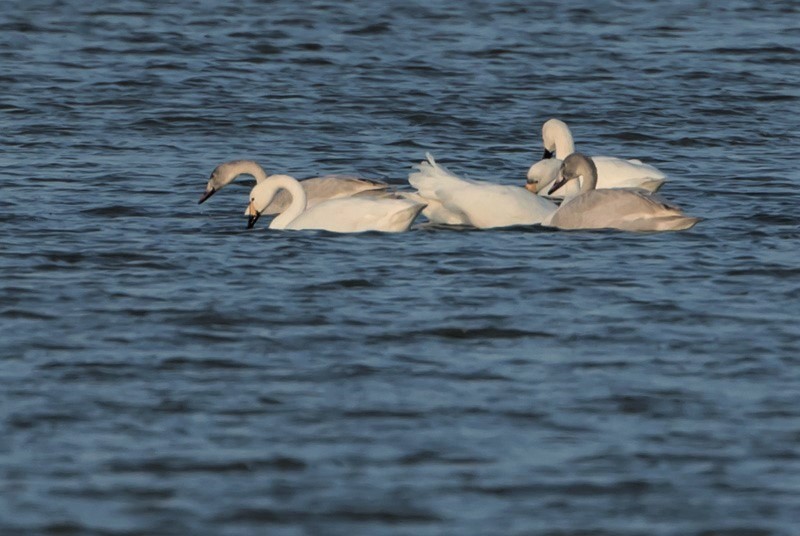
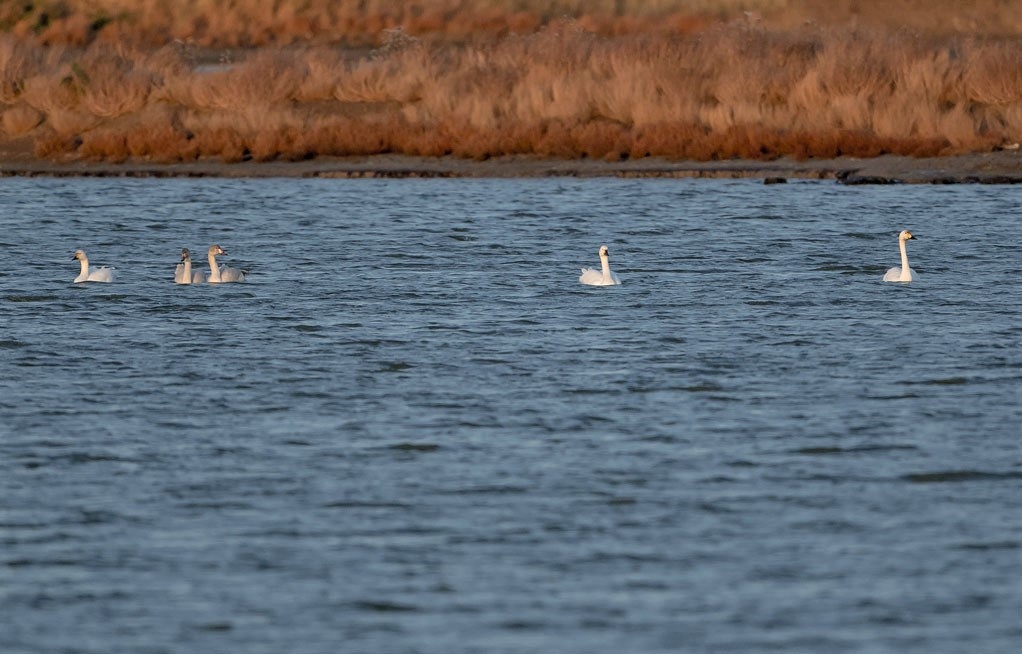
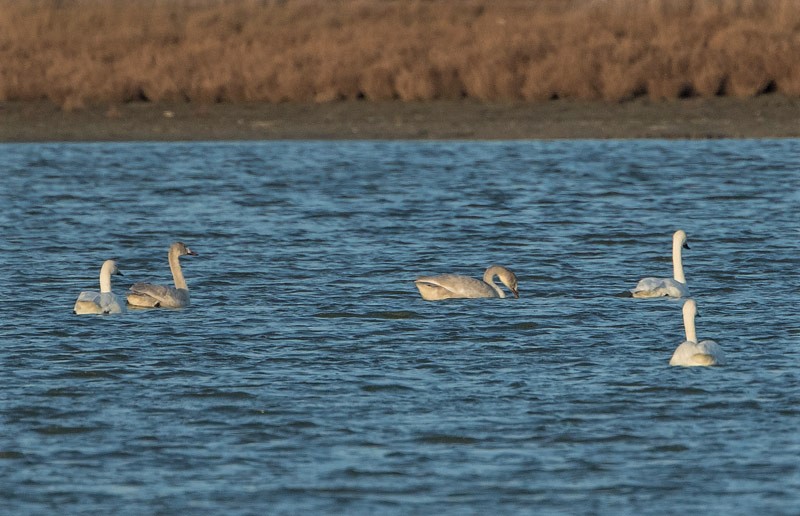
Family of four Bewick's Swans.
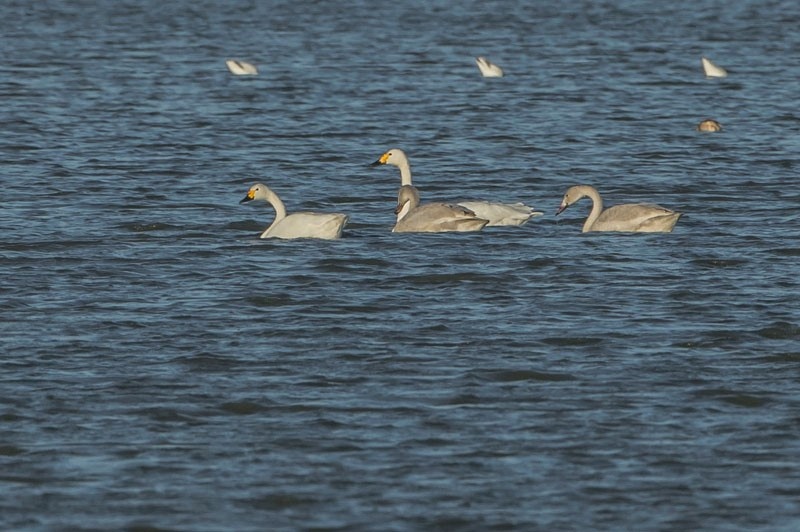
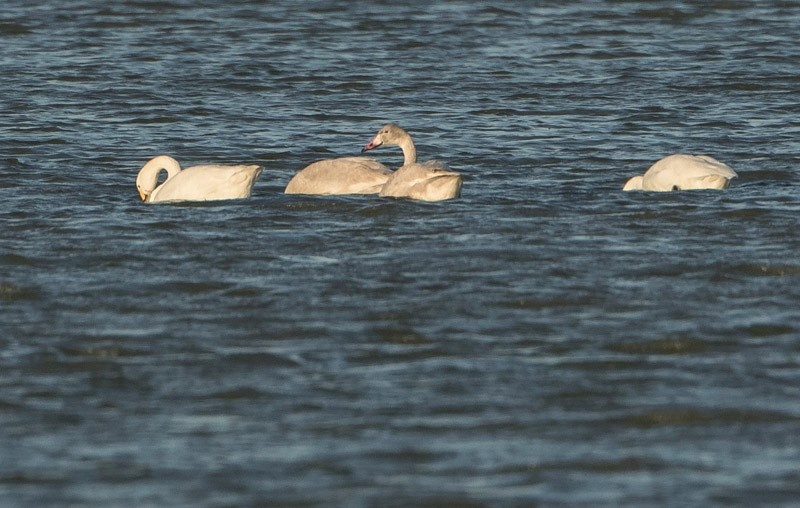
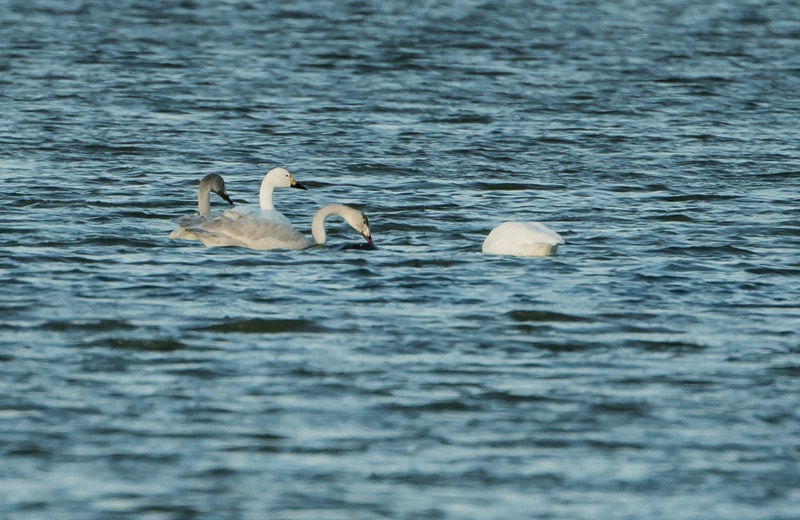
On their Way.
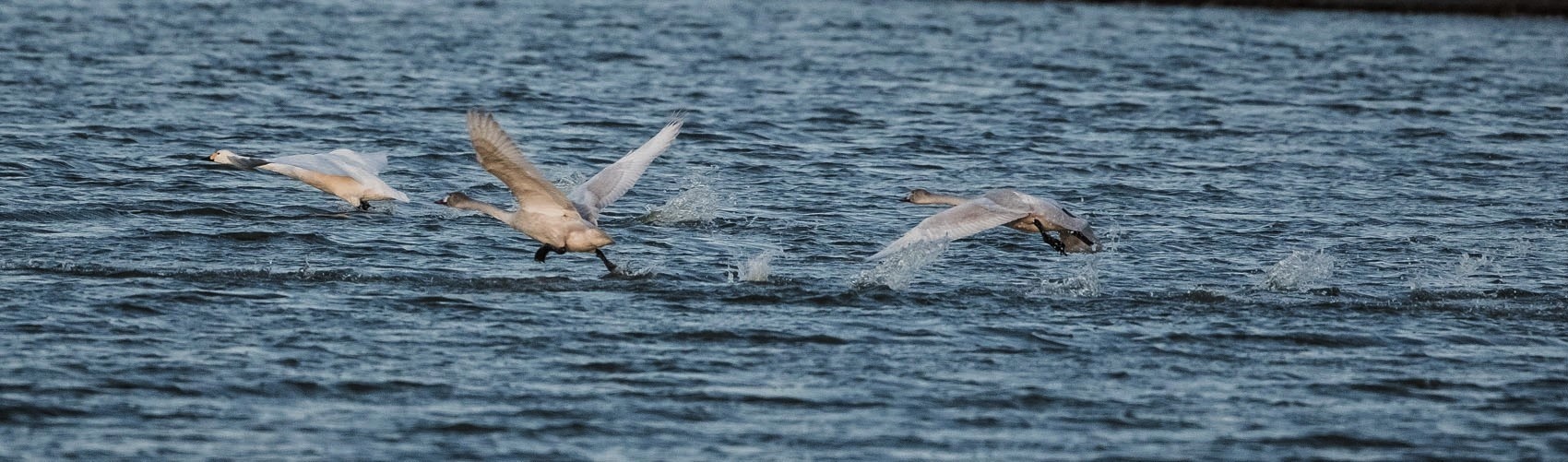
Heading North.
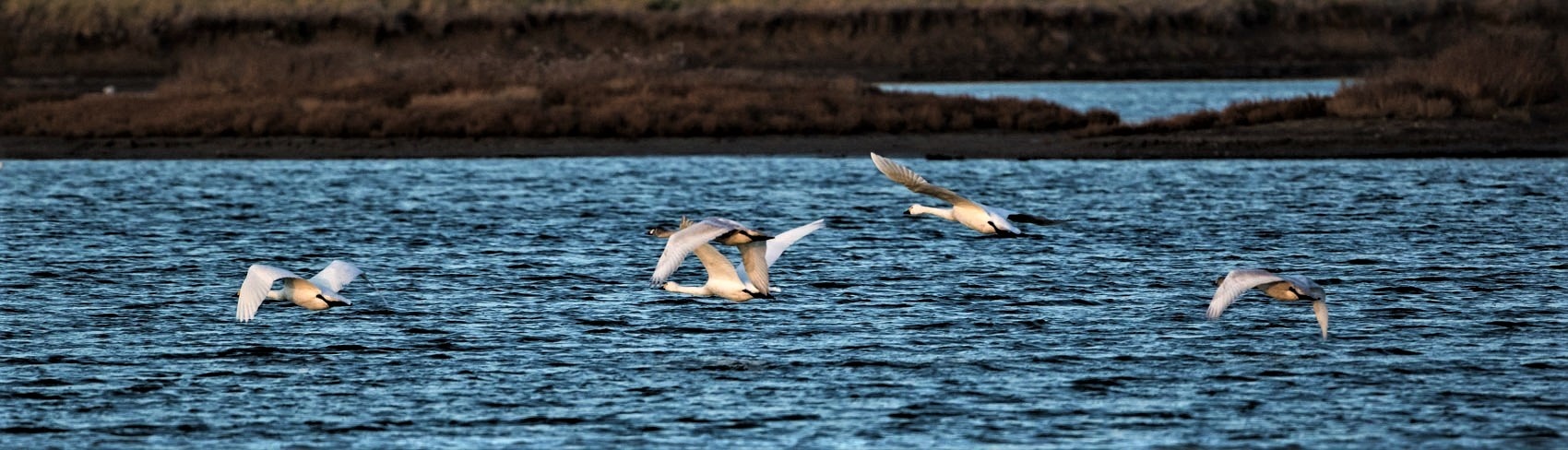
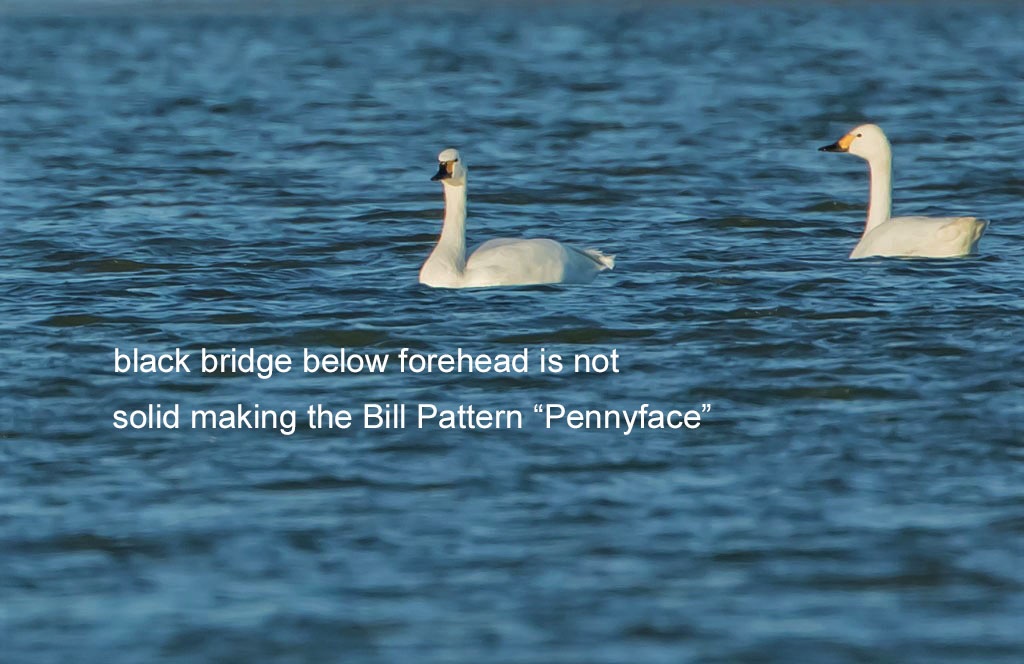
Two days running two different groups and two juveniles, one more than last year and nine different Swans so far and one "Pennyface" to date.
Our next opportunity for a photographic record was 16th December.
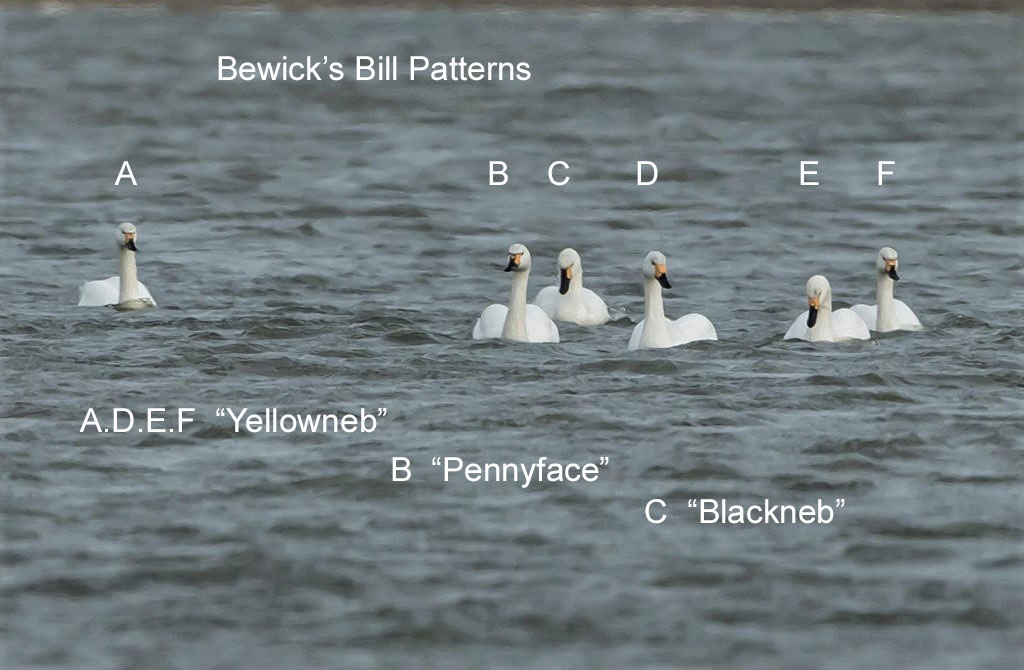
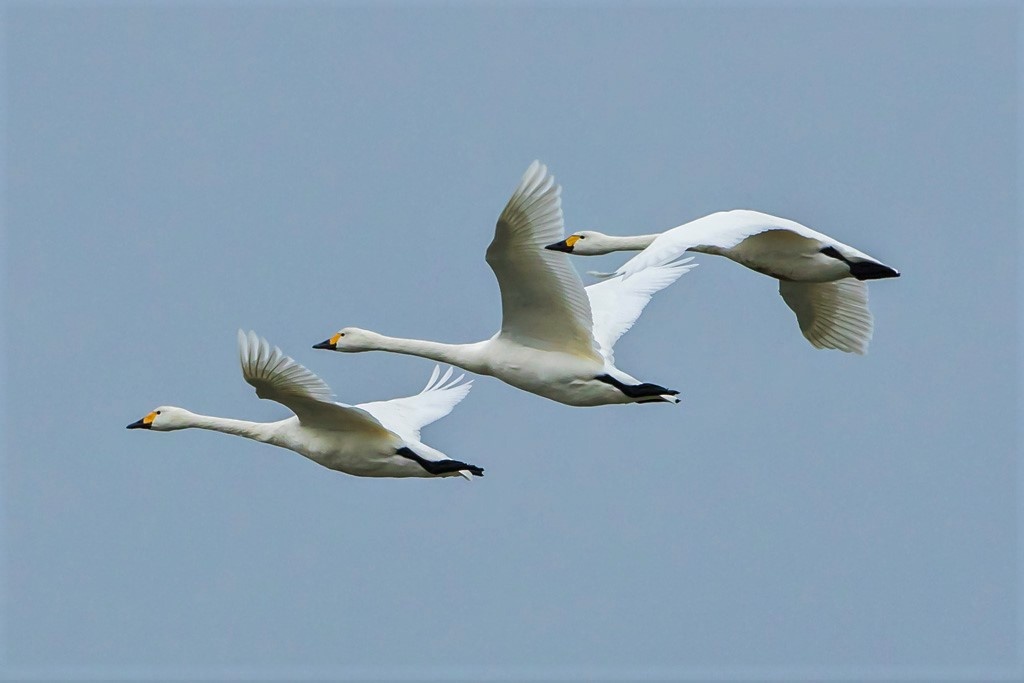
This outing established the group we would refer to as the "Cliffe Six", again with luck some front on shots to start thinking about bill patterns, with the hope that one or all six are returning Swans from the previous year.
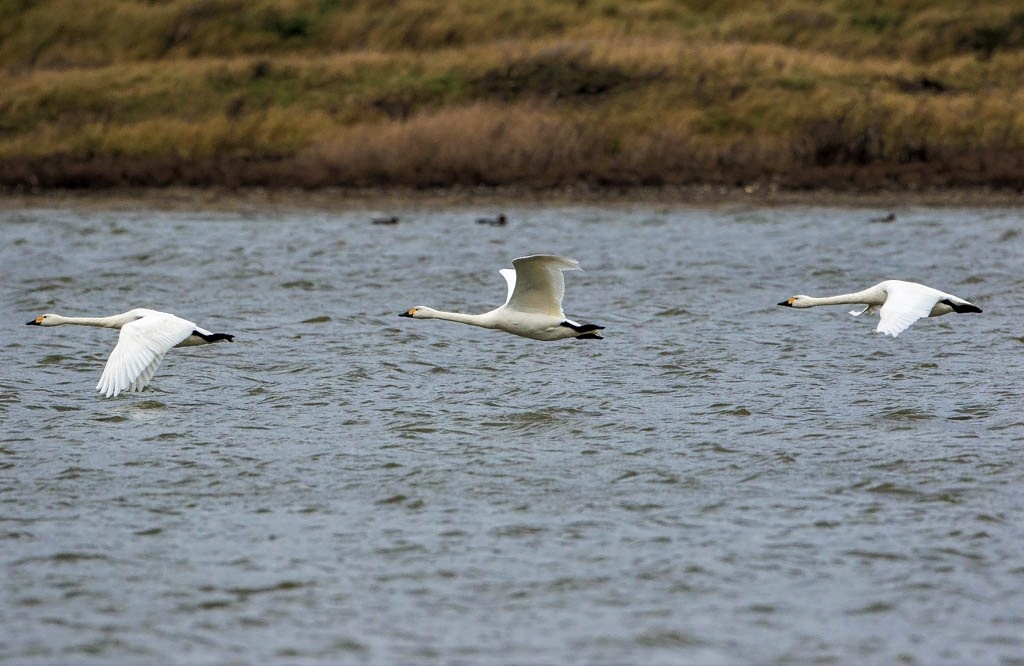
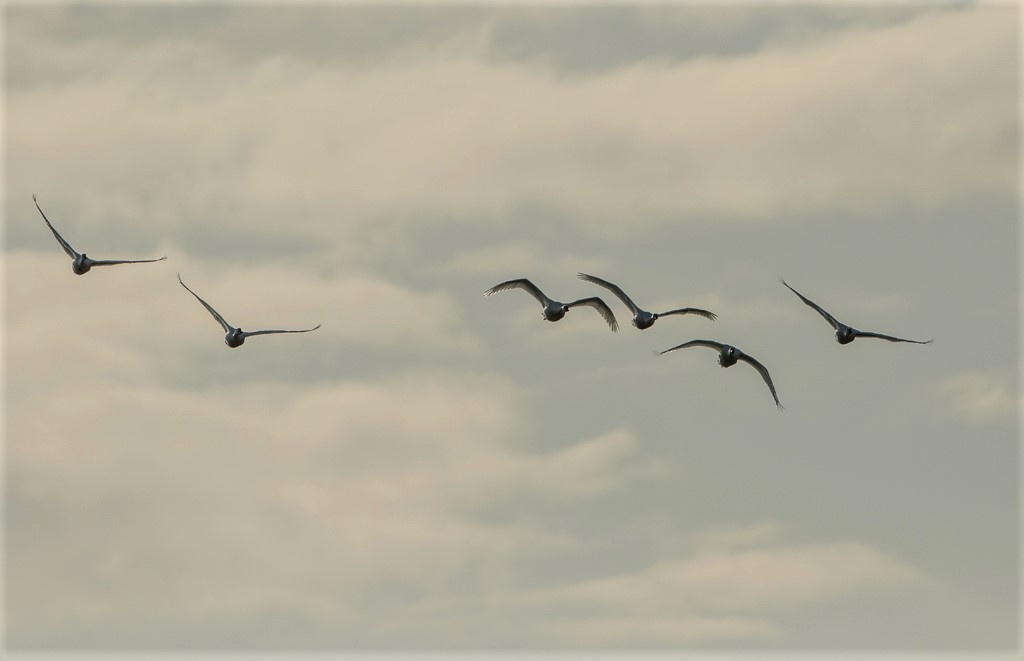 Unfortunately no Juveniles in this small group, but nice views as they flew into roost on the 16th December. Less than half the number of Bewick's Swans than this time last year, but numbers were also down in other parts of the country as well.
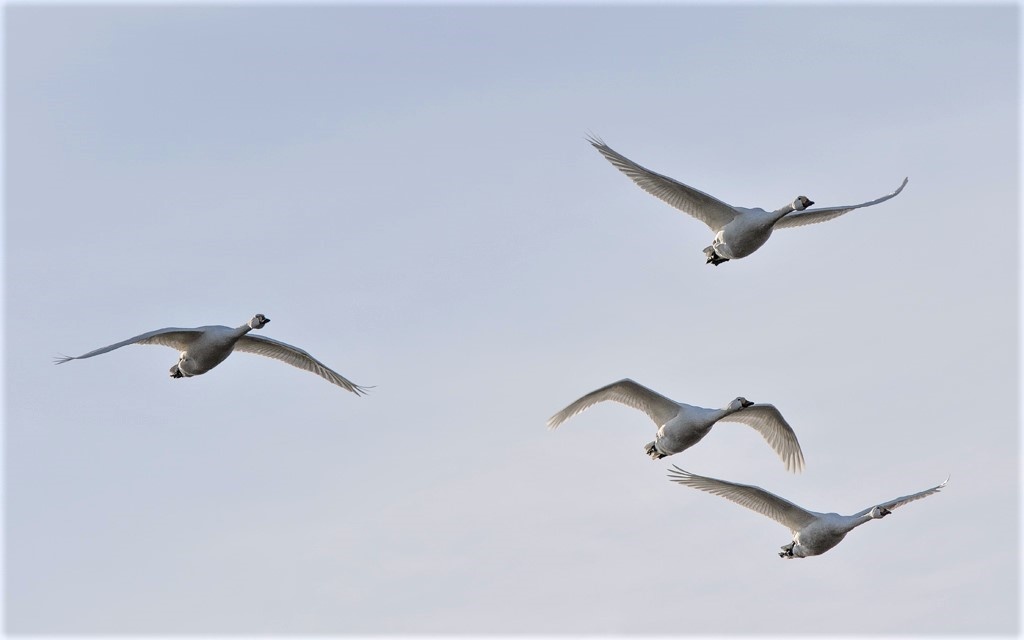
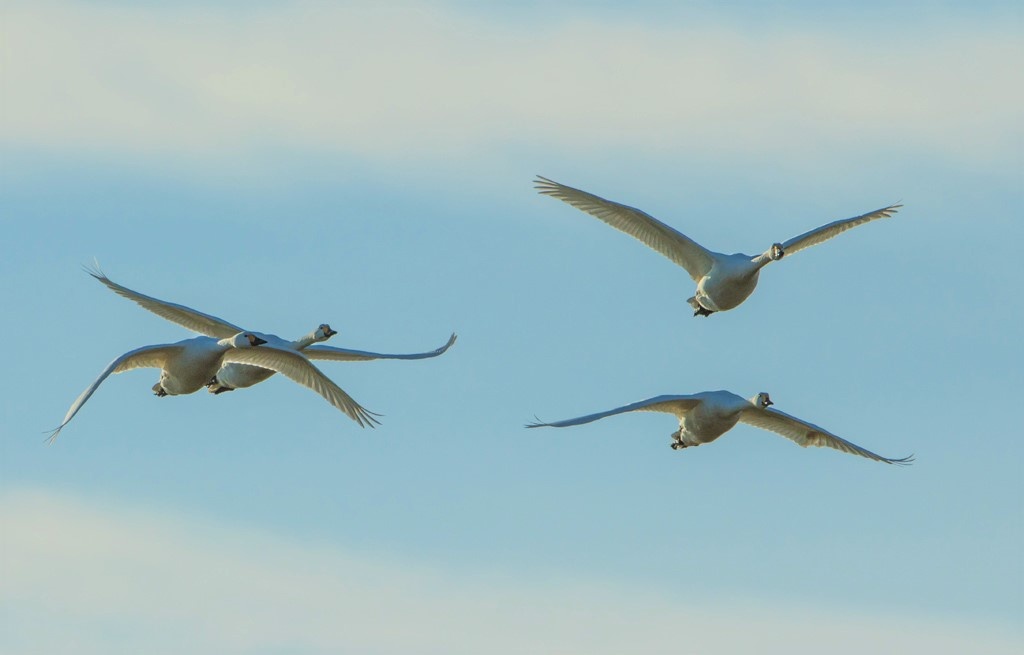
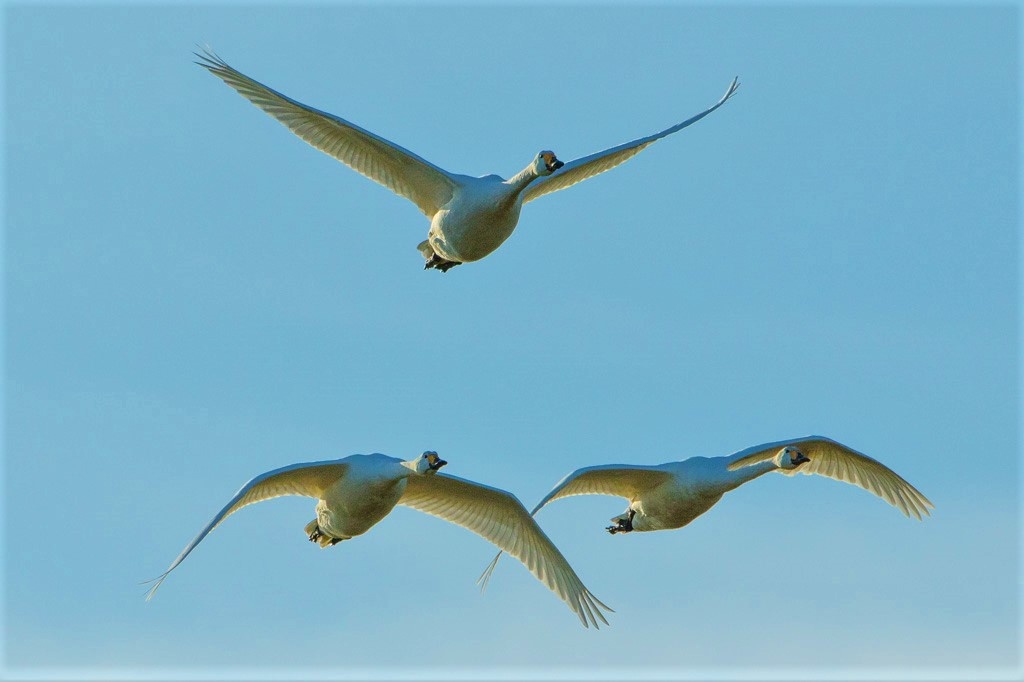
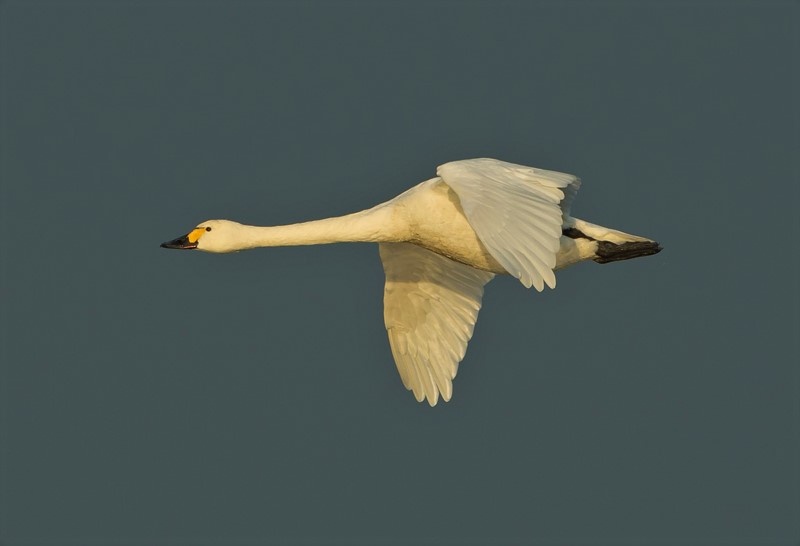
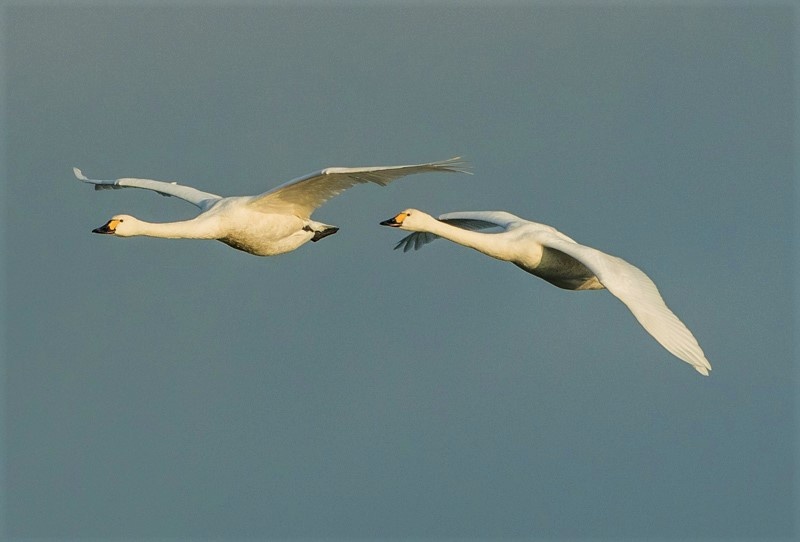
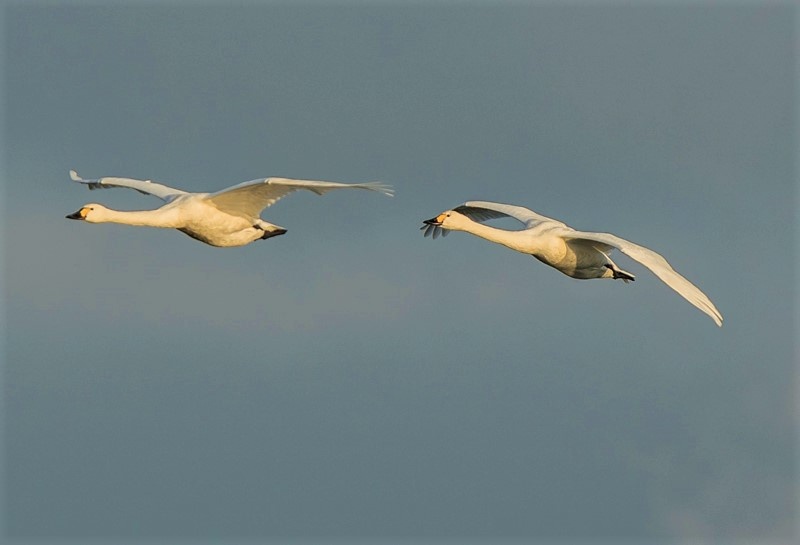
The Cliffe Six.
Click to edit text. What do visitors to your website need to know about you and your business?
The area above the bill and below forehead can form one of the three definite patterns. Yellowneb. A line of yellow can be traced from the yellow patch on one side of the bill, over the culmen, to the yellow patch on the other side of the bill. Blackneb , In which centreline of upper mandible is black from feathering of forehead to tip of bill. Pennyface, In which a line other than centreline can be traced on black from the feathering of the forehead to the tip of the bill.
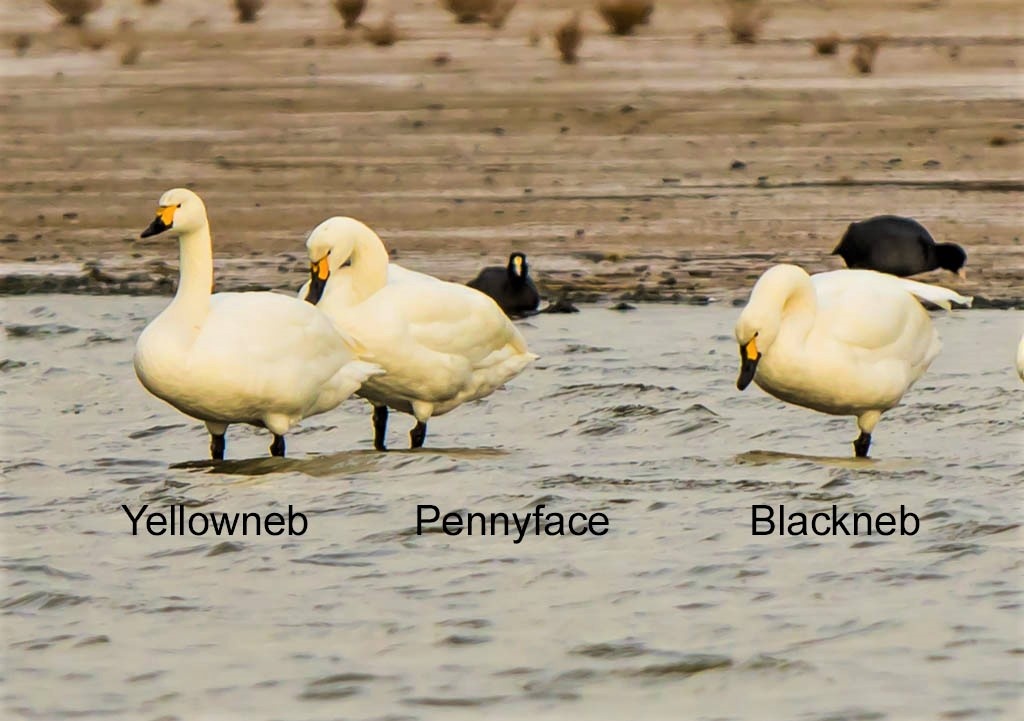
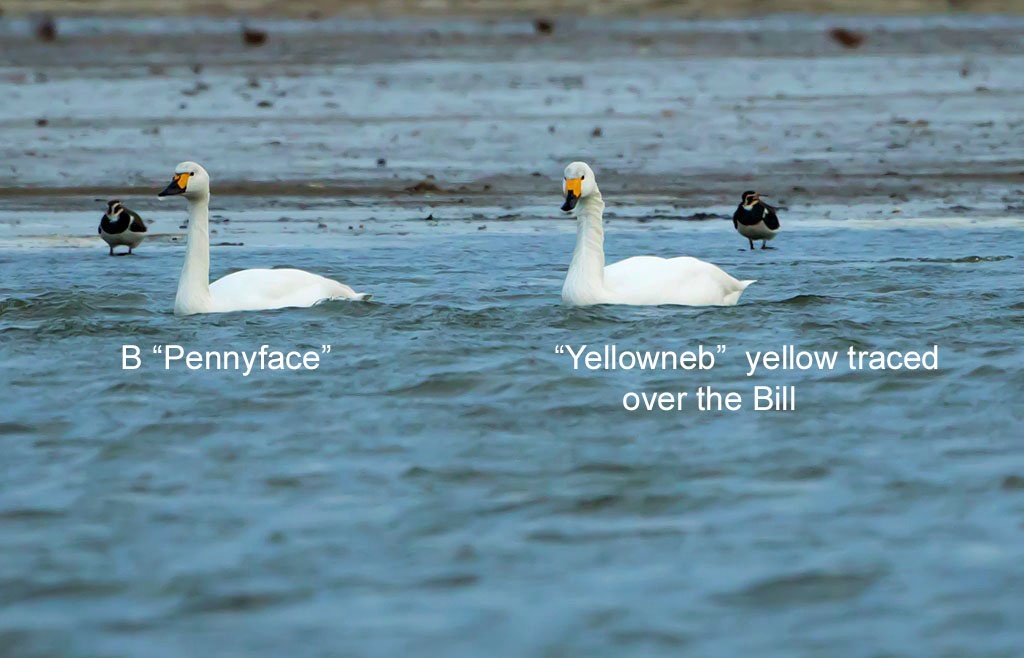
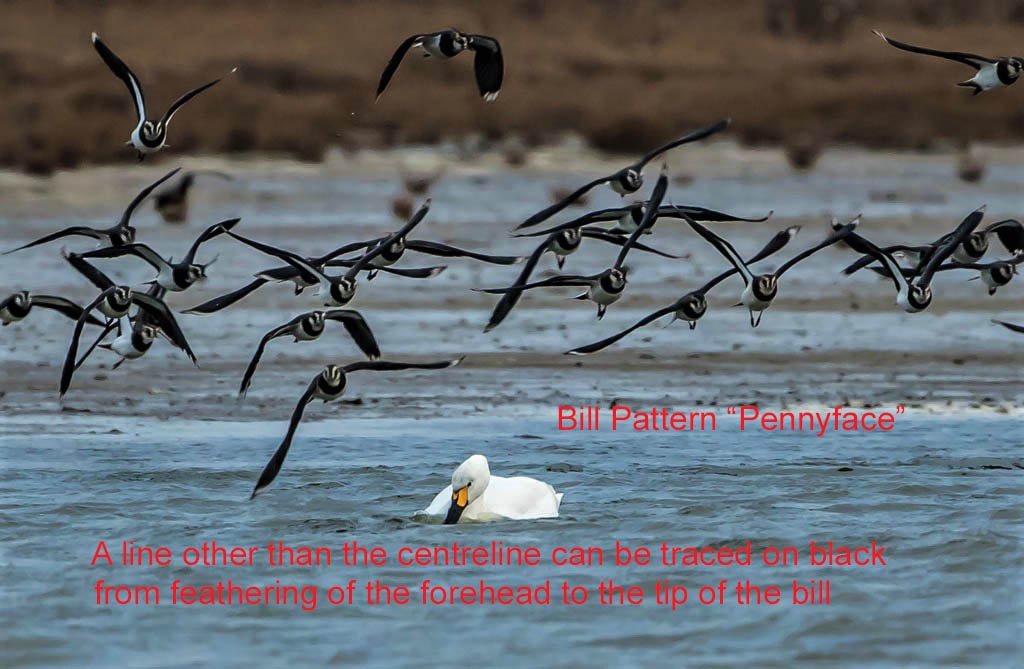
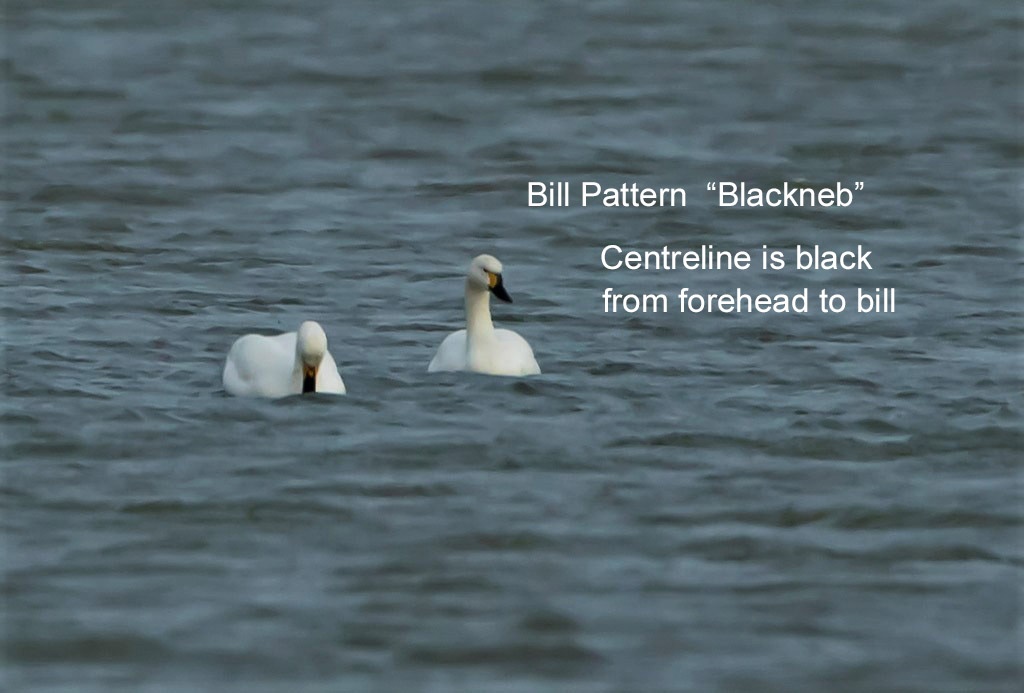
Only Six Bewick's Swans Wintered in North Kent.
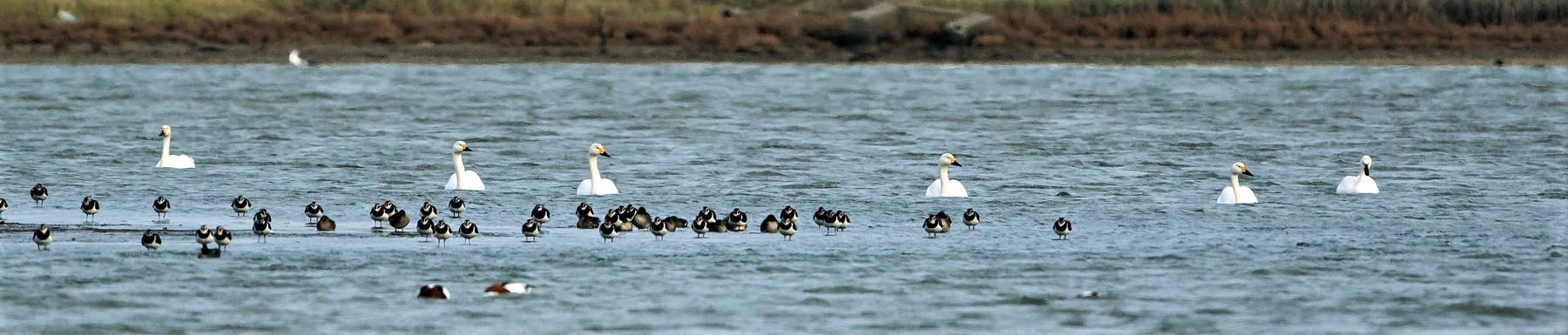
With the above guide line and principles we are fairly confident that the Cliffe Six stayed together in North Kent from mid December to until close to the end of February , feeding and roosting in various locations.
Click to edit text. What do visitors to your website need to know about you and your business?
Click to edit text. What do visitors to your website need to know about you and your business?
Feeding and Roosting Behaviour.
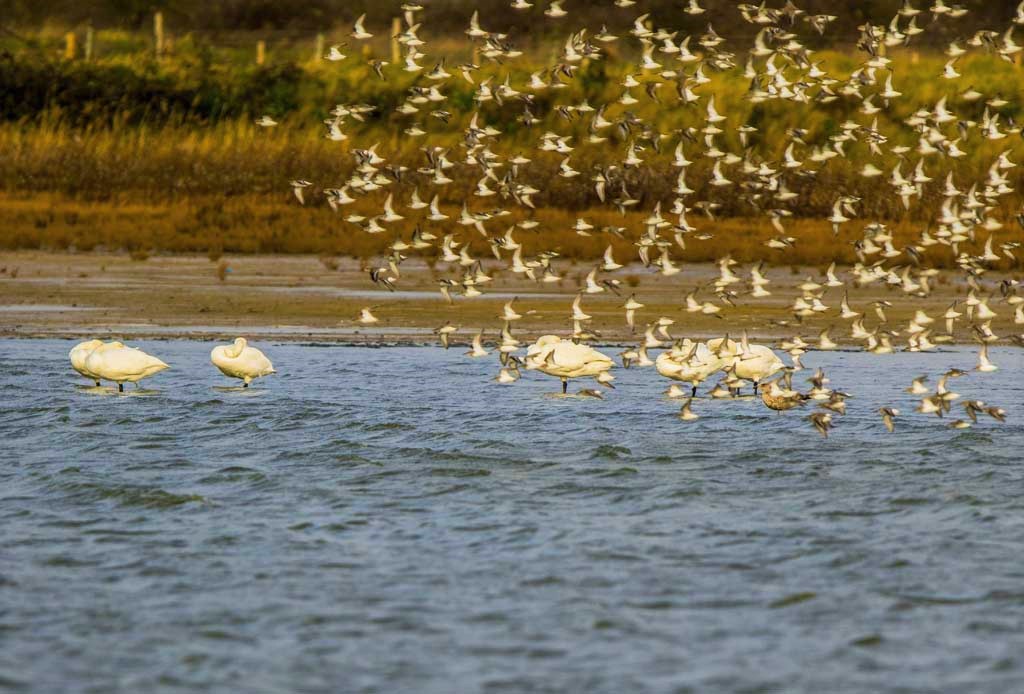
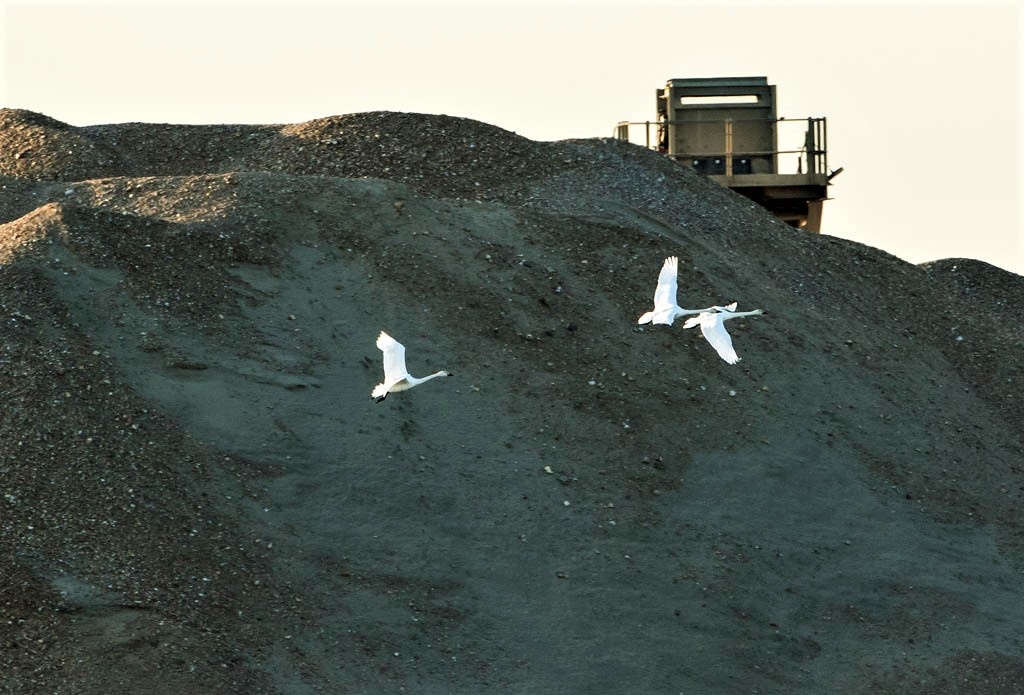
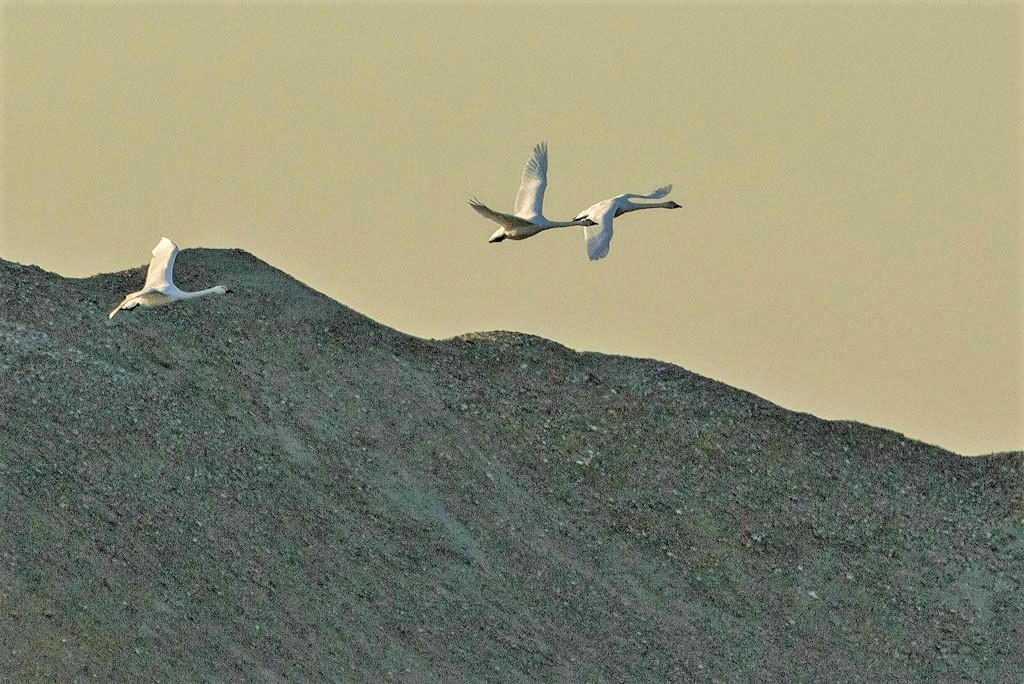
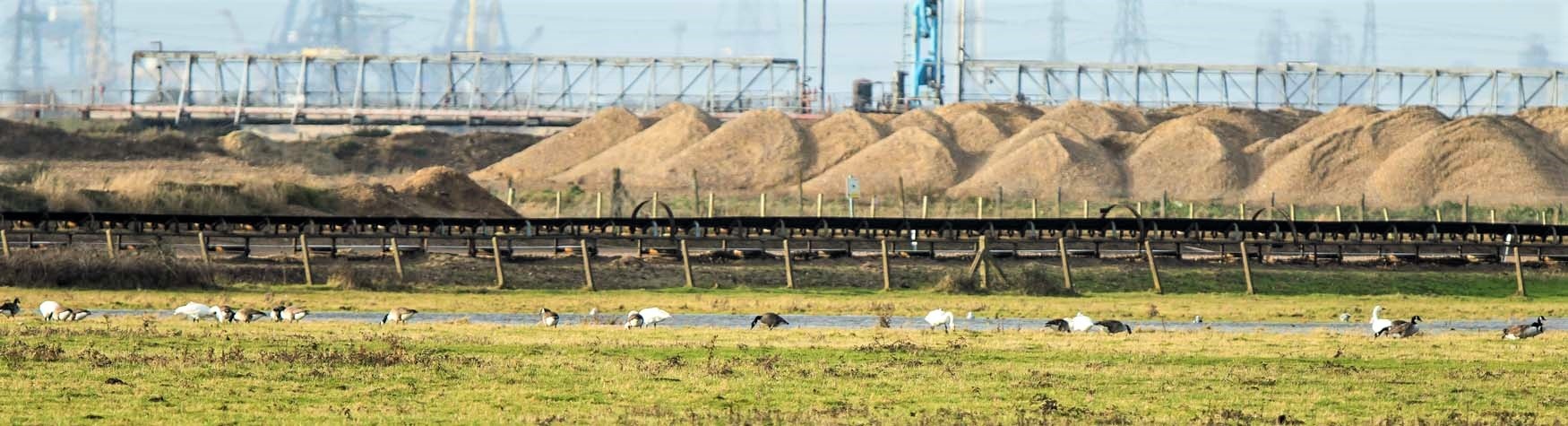
The Cliffe Six, used various locations to feed and roost in North Kent, this behaviour was much different than the previous year but more in keeping with other years in the past.
Click to edit text. What do visitors to your website need to know about you and your business?
Click to edit text. What do visitors to your website need to know about you and your business?
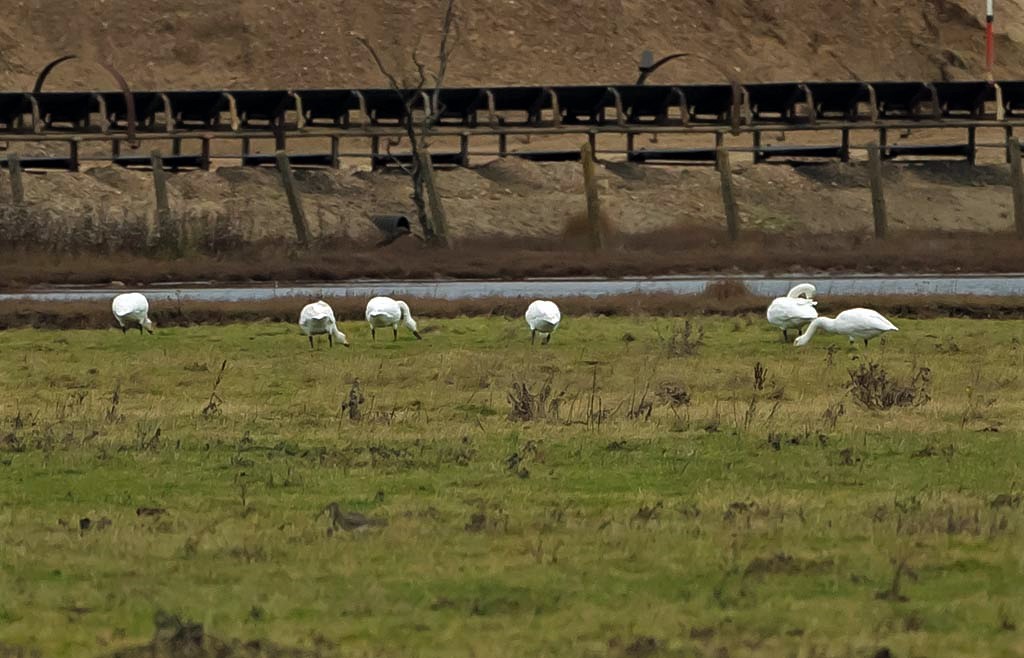
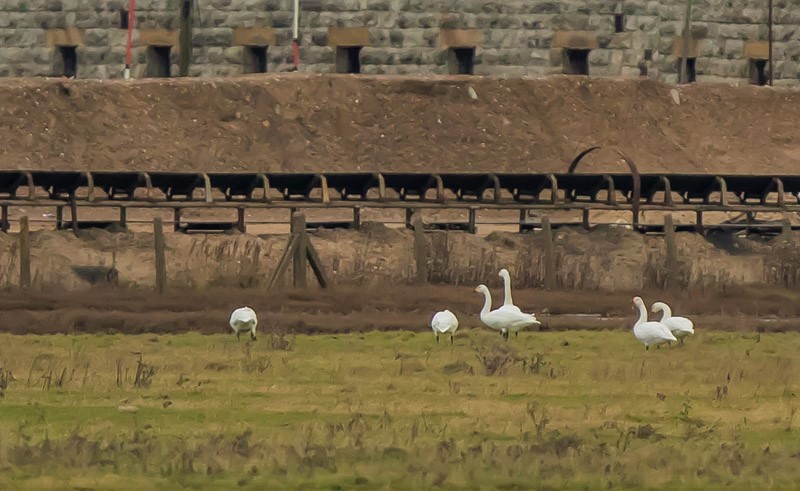
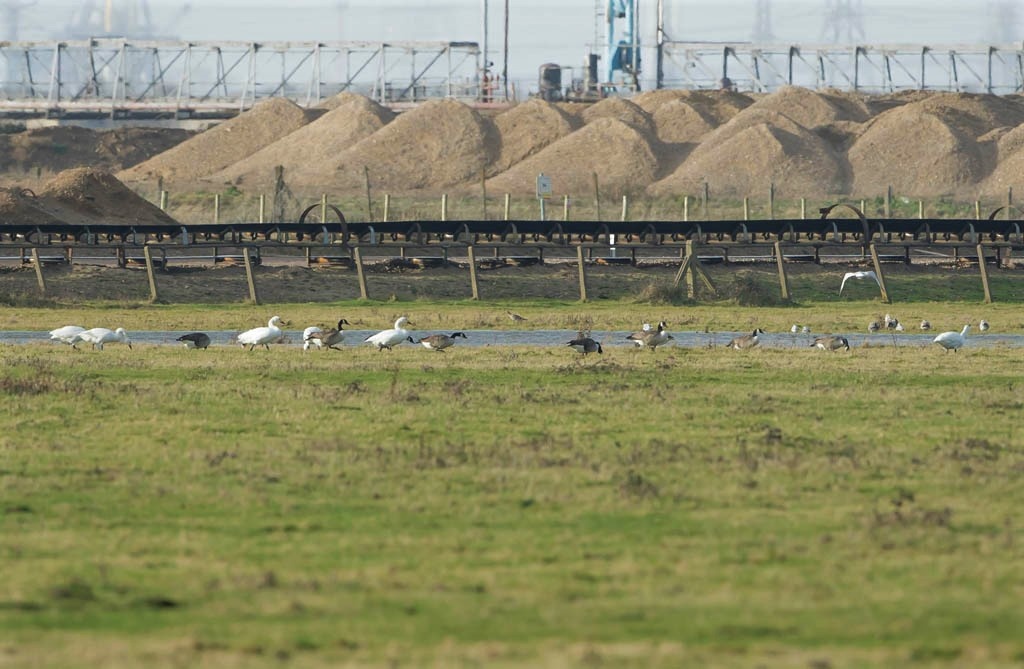
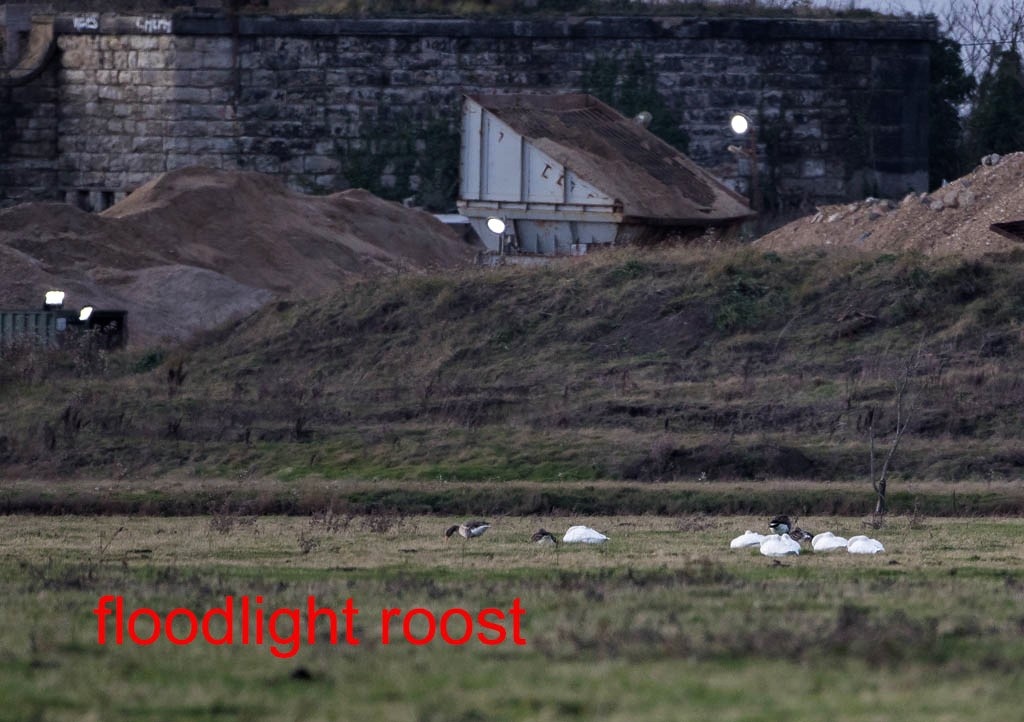
Click to edit text. What do visitors to your website need to know about you and your business?
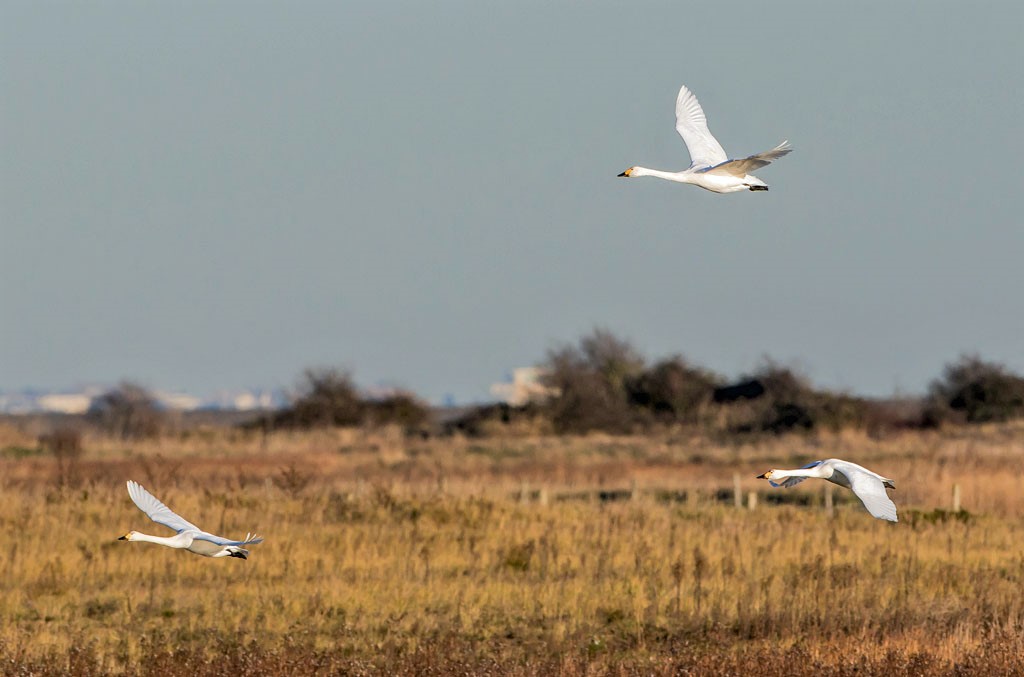
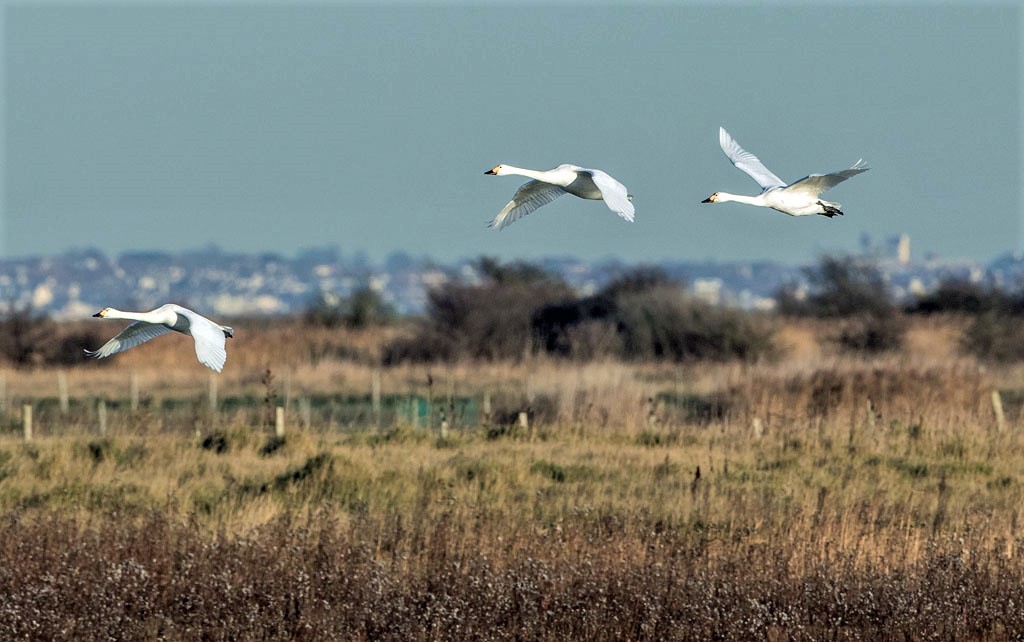
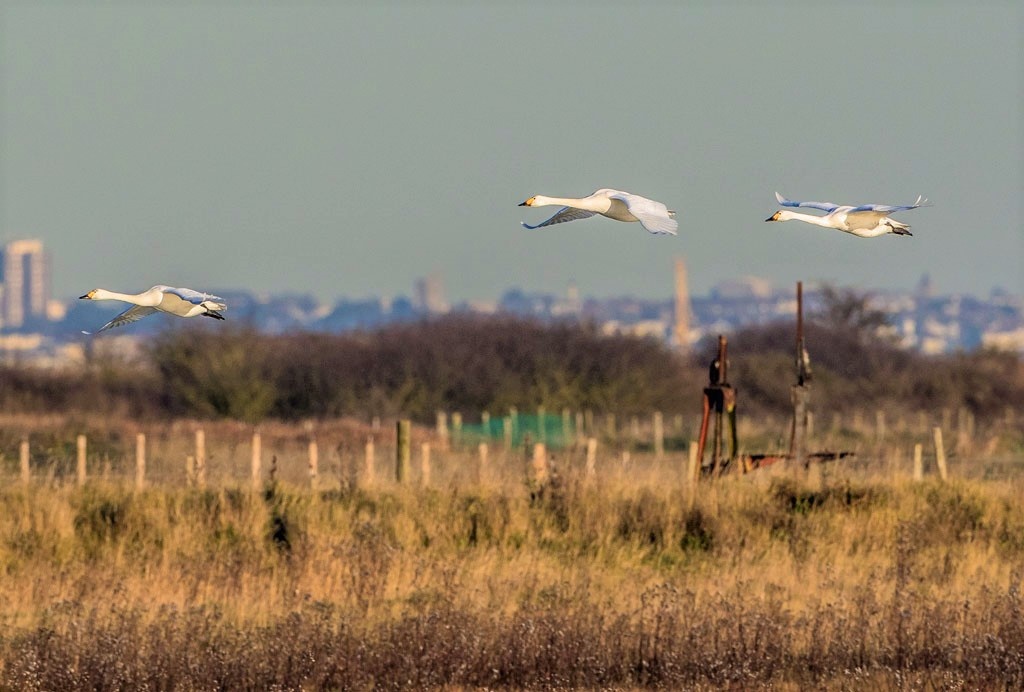
Bewick's Swan's "Three by Three".
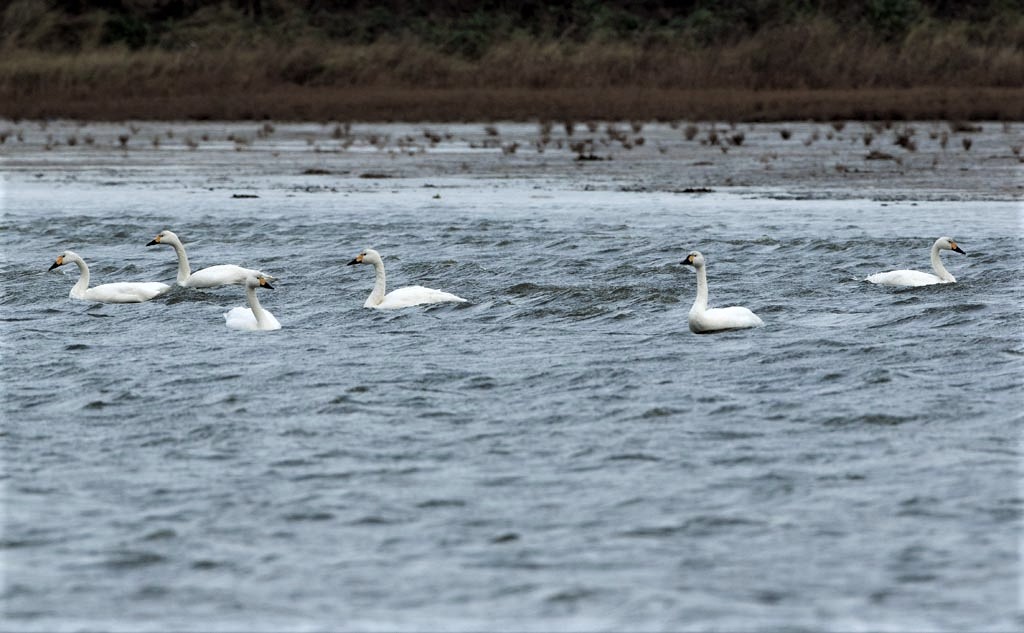
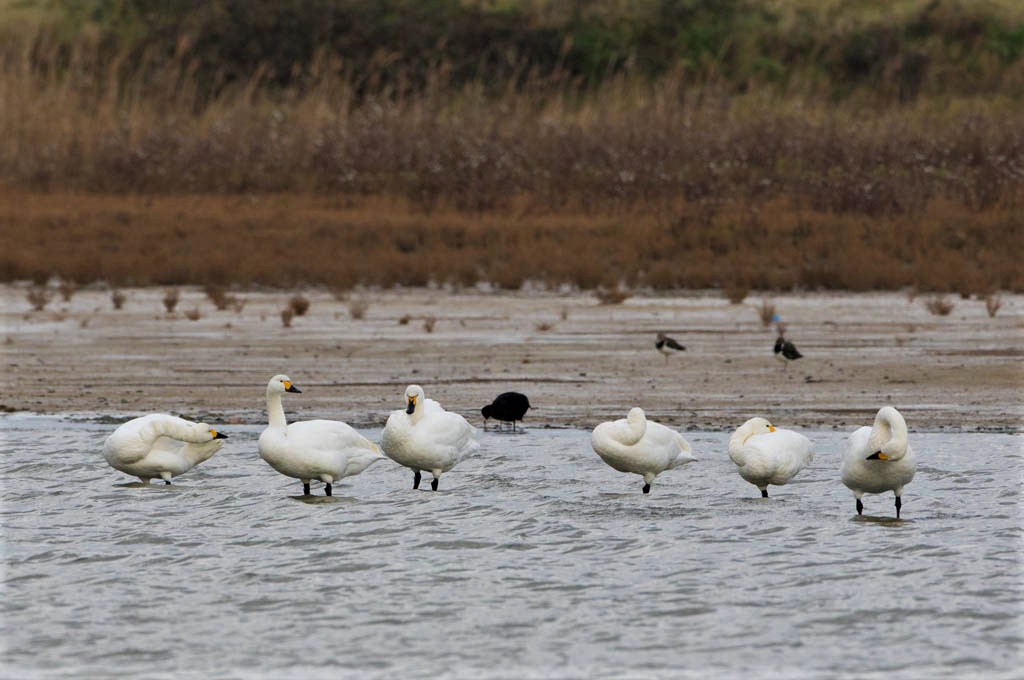
Two's company's and three's a crowd, not for this group of Bewick's. This group split into two groups of three, where they washed and preened before flying off in two groups of three.
P
Pennyface, Blackneb and Yellowneb, below preening before standing up and departing.
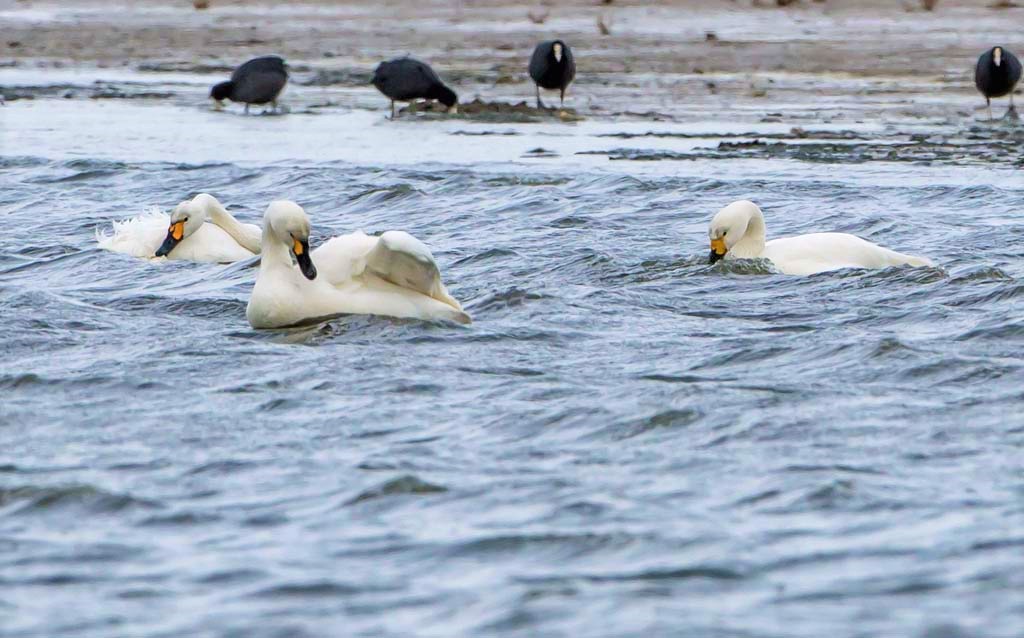
Below slight change around left to right Yellowneb, Yellowneb and Blackneb.
Click to edit text. What do visitors to your website need to know about you and your business?
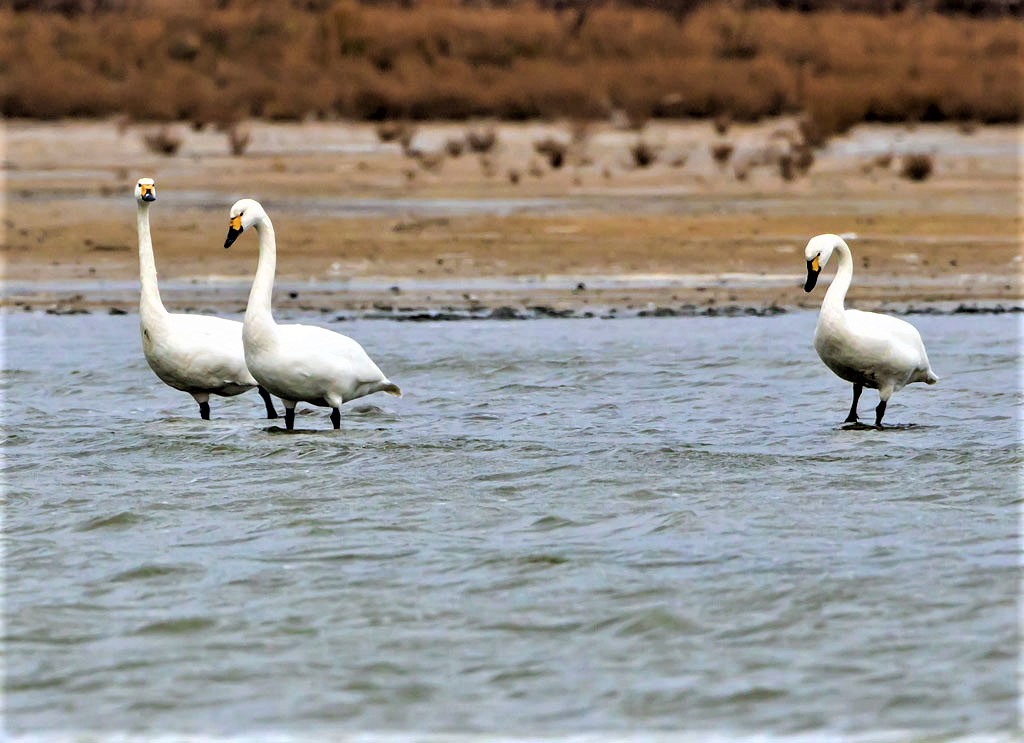
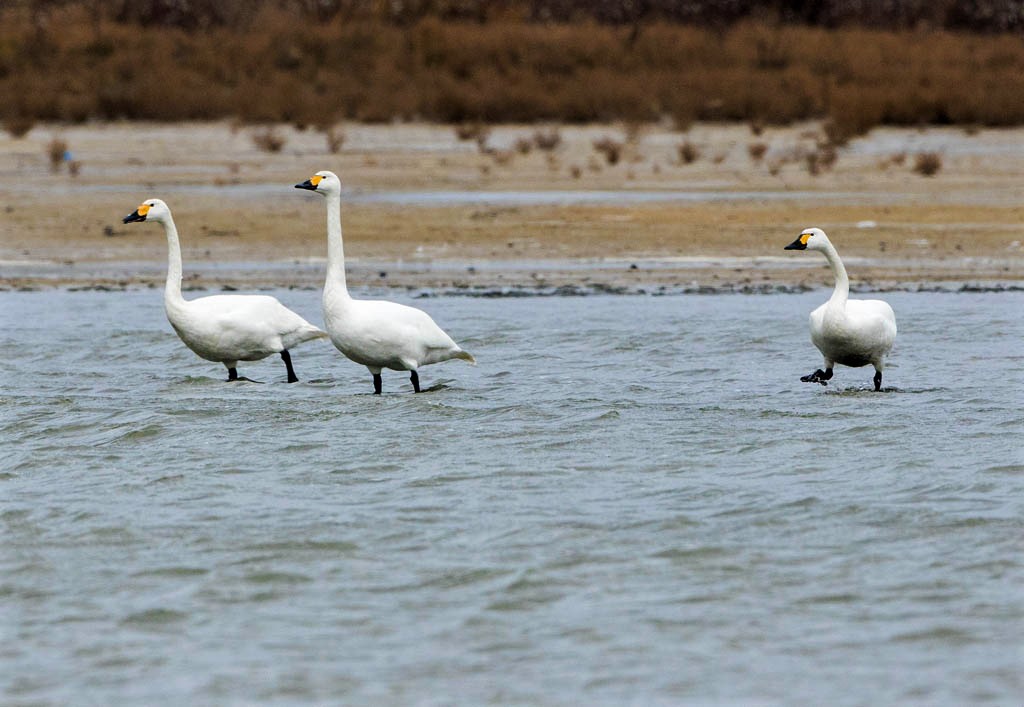
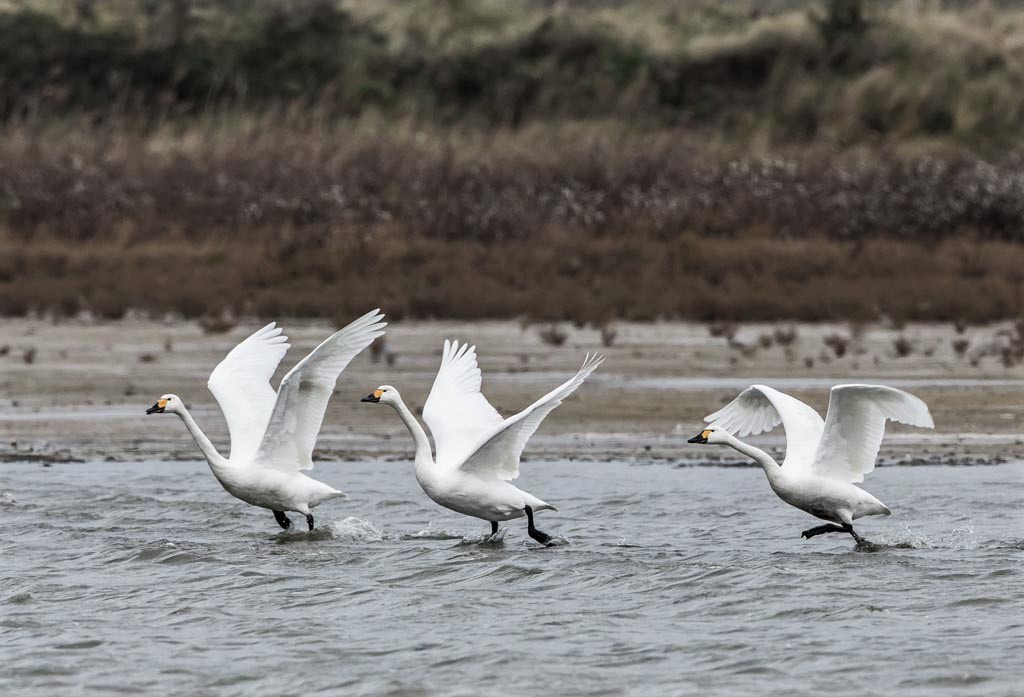
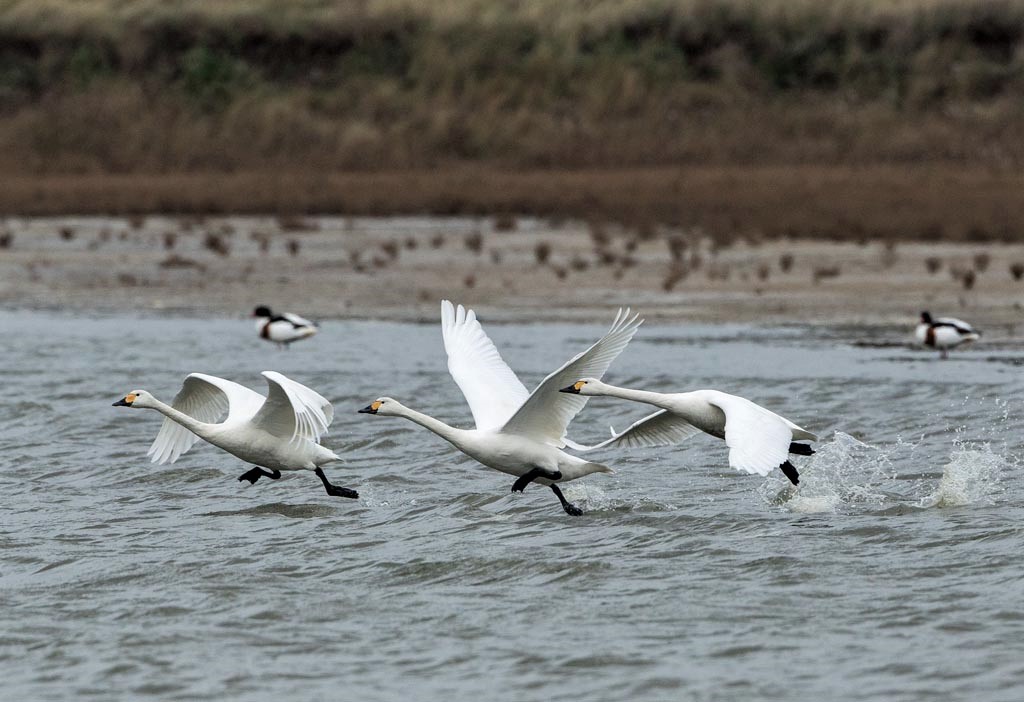
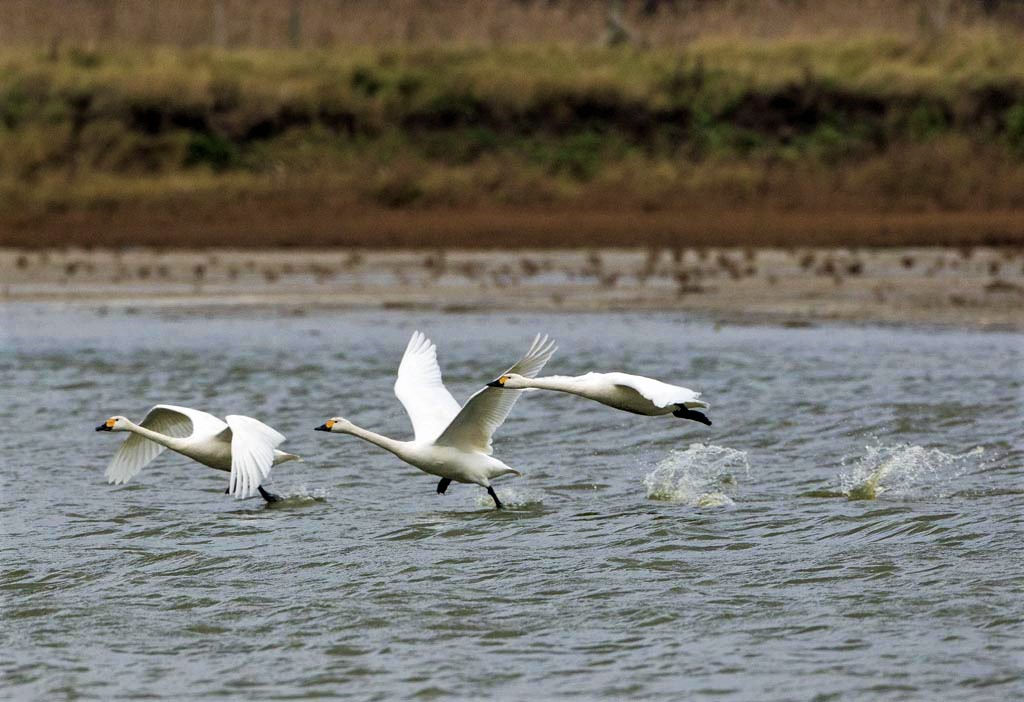
Group Two. Second Verse, Same As The First.
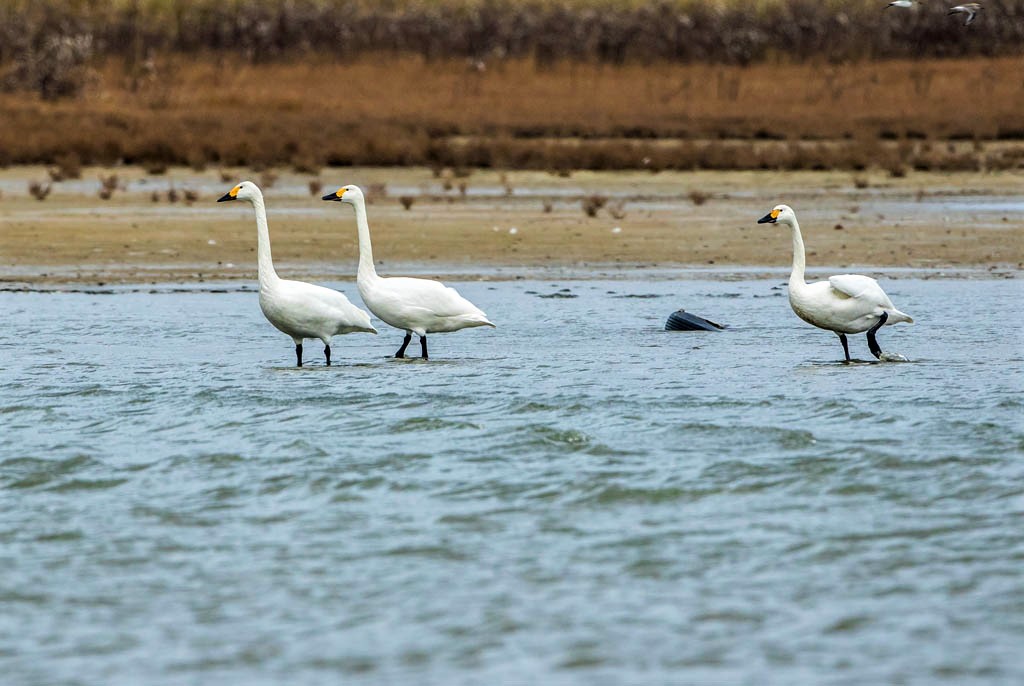
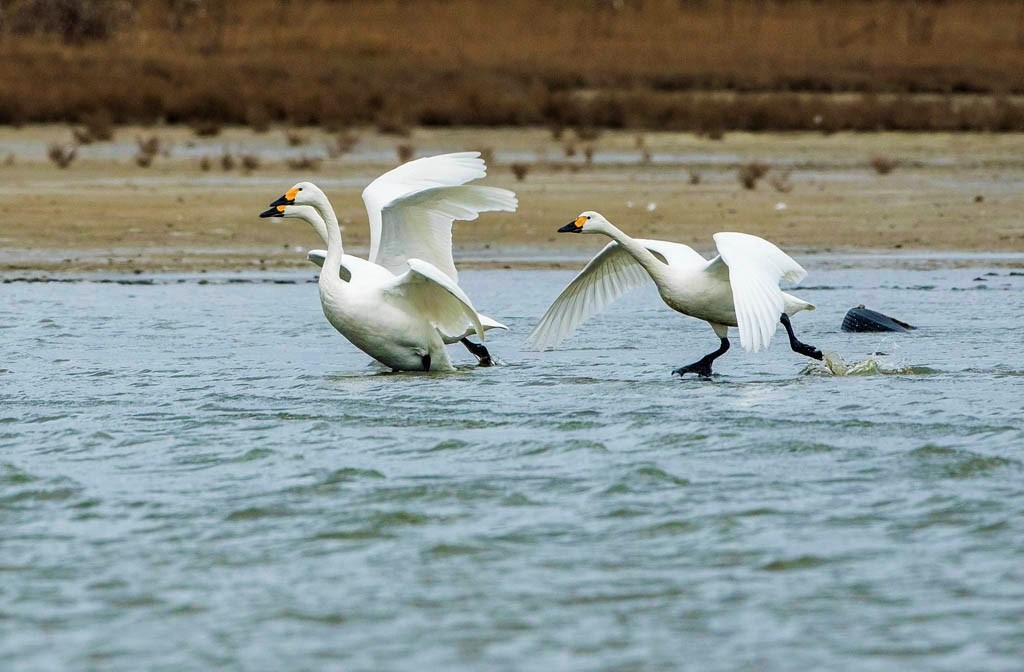
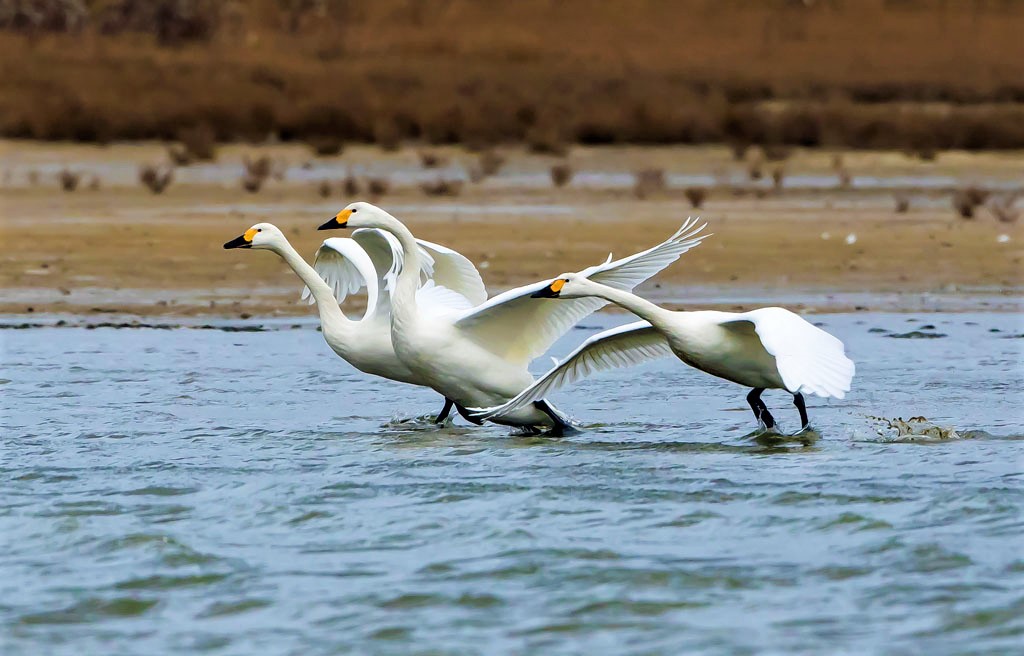
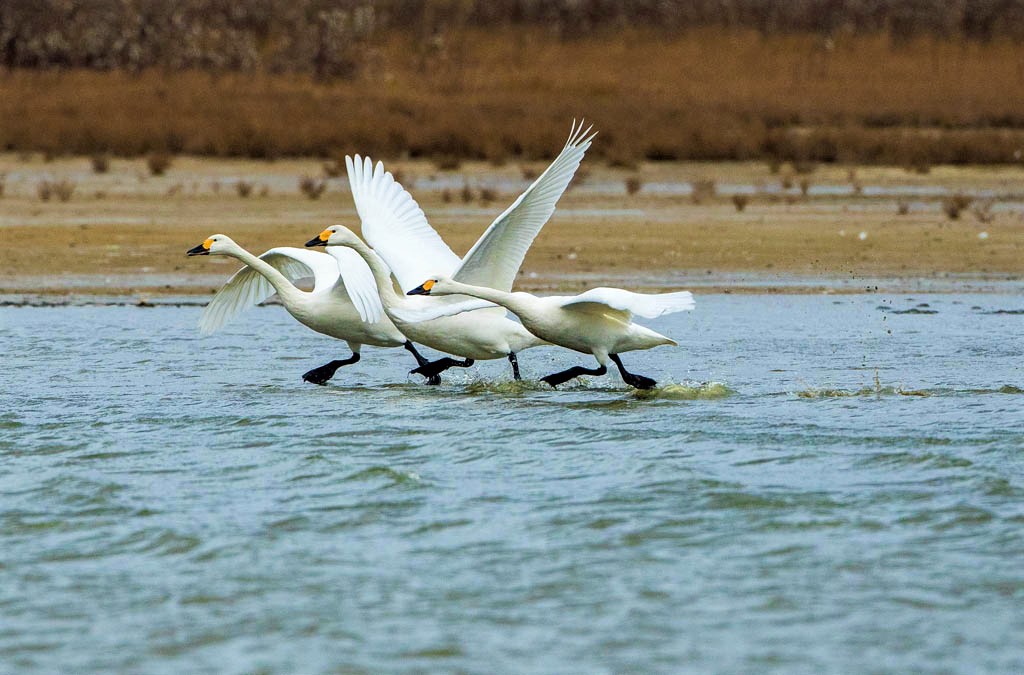
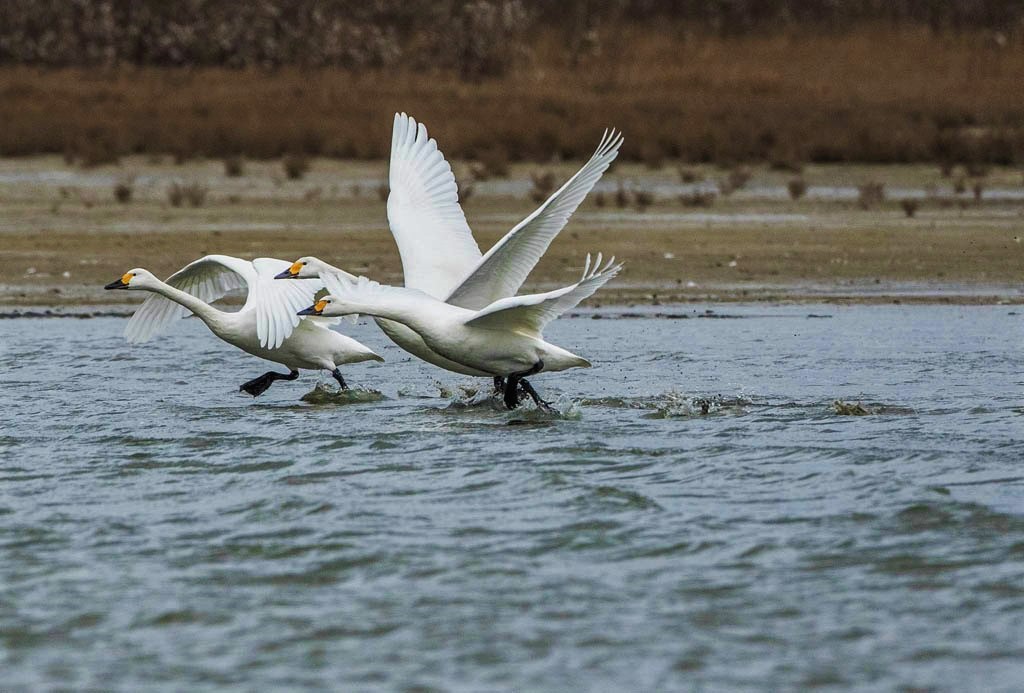
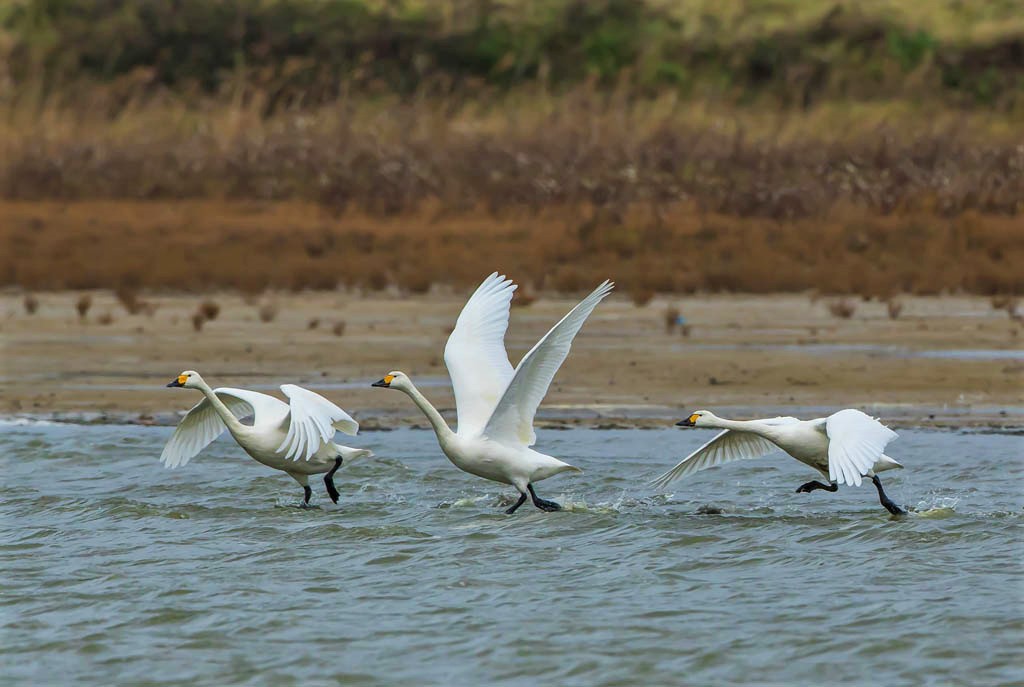
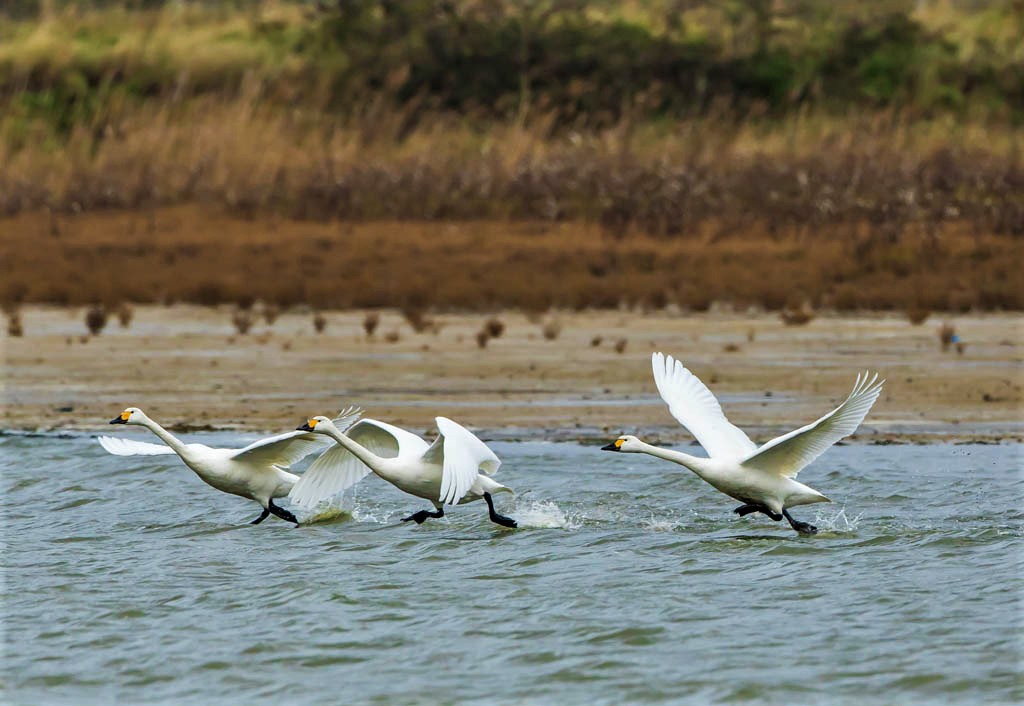
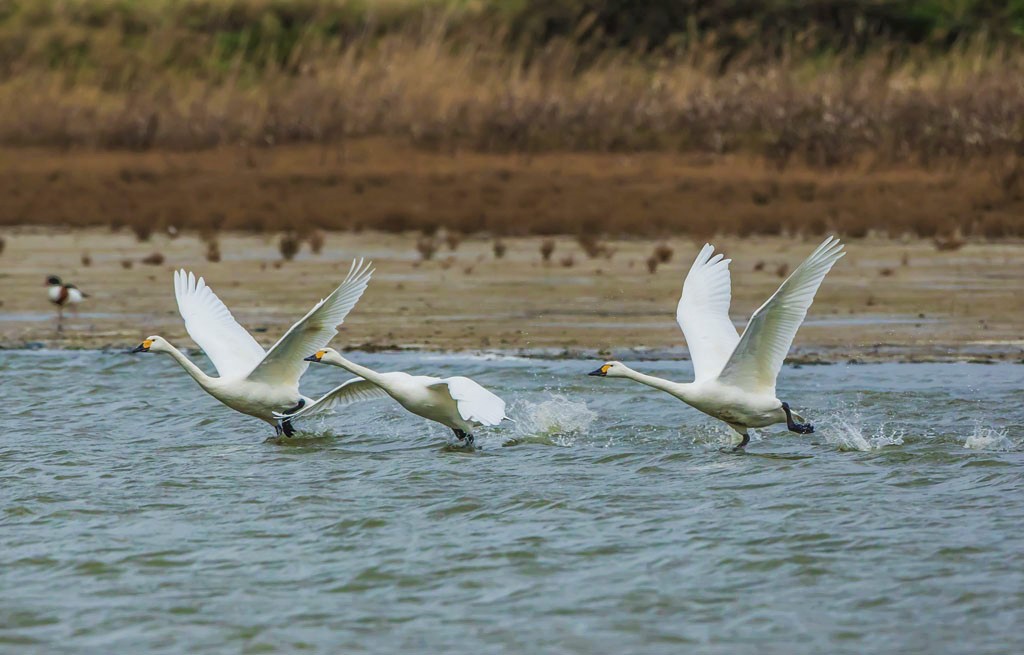
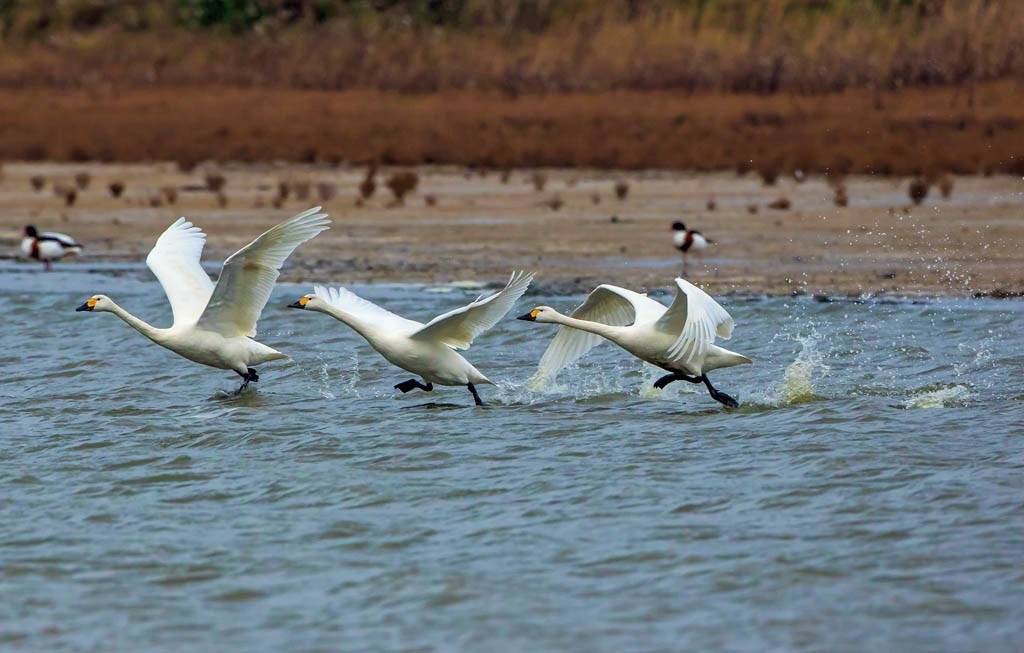
Run up complete and up, up and away. Time to reconnect with the other three.
Bewick's Swan Coordinated Count 16th January 2018 Kent.
Kent took part in the last Bewick's Swan coordinated count of the winter on 16/01/18. During the winter a handful of sites in Kent had produced sightings of Bewick's Swan. These sites and others were watched by Paul Trood, Murray Orchard, Andrew Lipcznski,Martyn Wilson, Ian Harding, Richard Pope and myself. The result was 52 Bewick's Swan recorded at three sites in Kent. Walland Marsh had the biggest number with 42 Bewick's Swan including 8 juvenile's, St Marys Marsh with 6 and Grove Ferry with 4.
A
Click to edit text. What do visitors to your website need to know about you and your busines
Homeward Bound.
With the days getting longer and the winds changing at times to either a west south west or a south westerly direction or the lure of return passage homeward or body clock calling the "Cliffe Six " decamped towards some of the most easterly pastures before getting their navel wet. This land in years gone by was arable and used by scores of Mute and Bewick's Swan, now still scores of Mute but sadly not Bewick's , the same as Kent as a whole. This area may not be all arable but it has rich grassland and is close to shallow saline lagoons and can provide good safety .
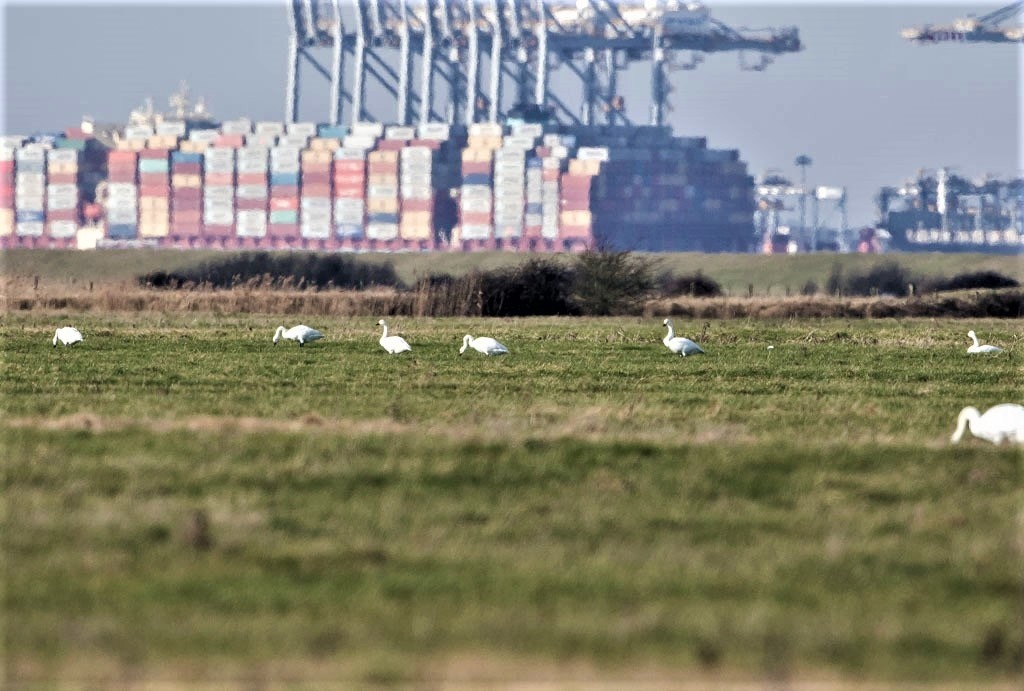
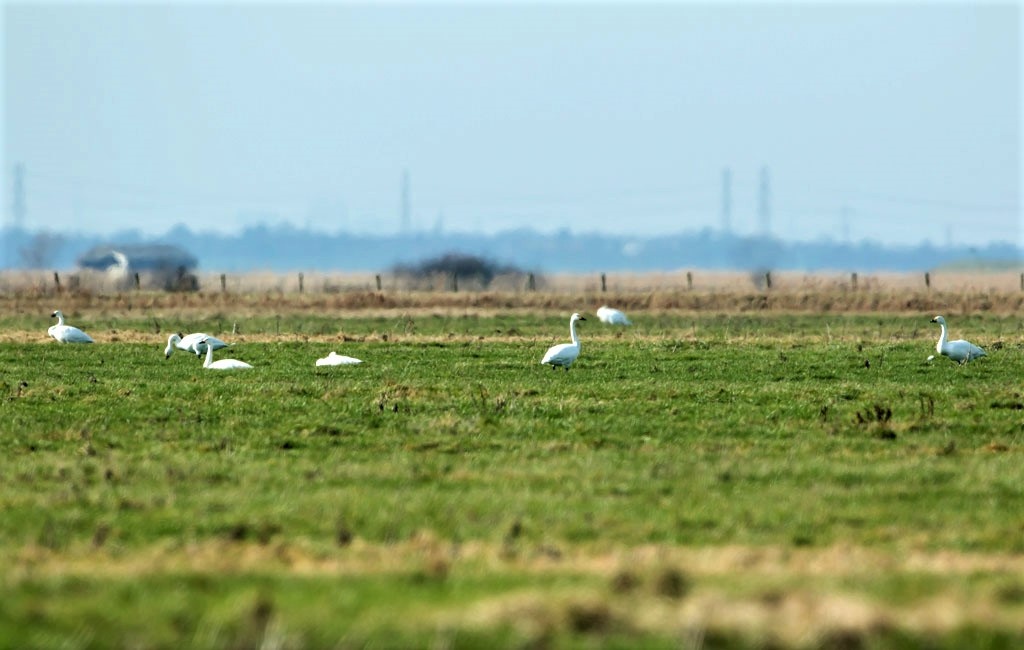
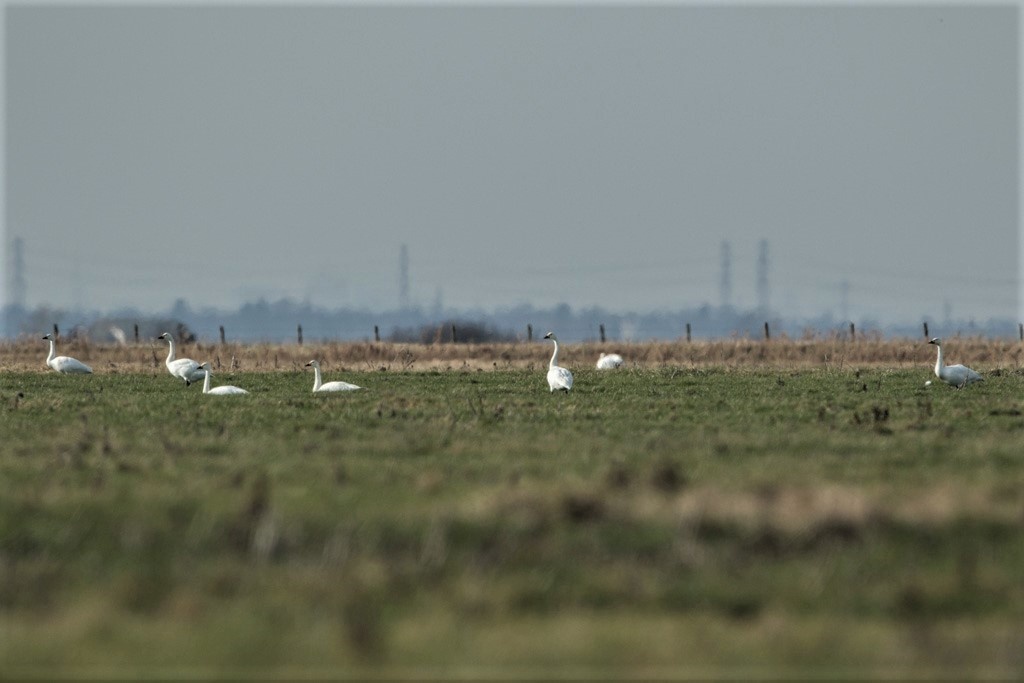
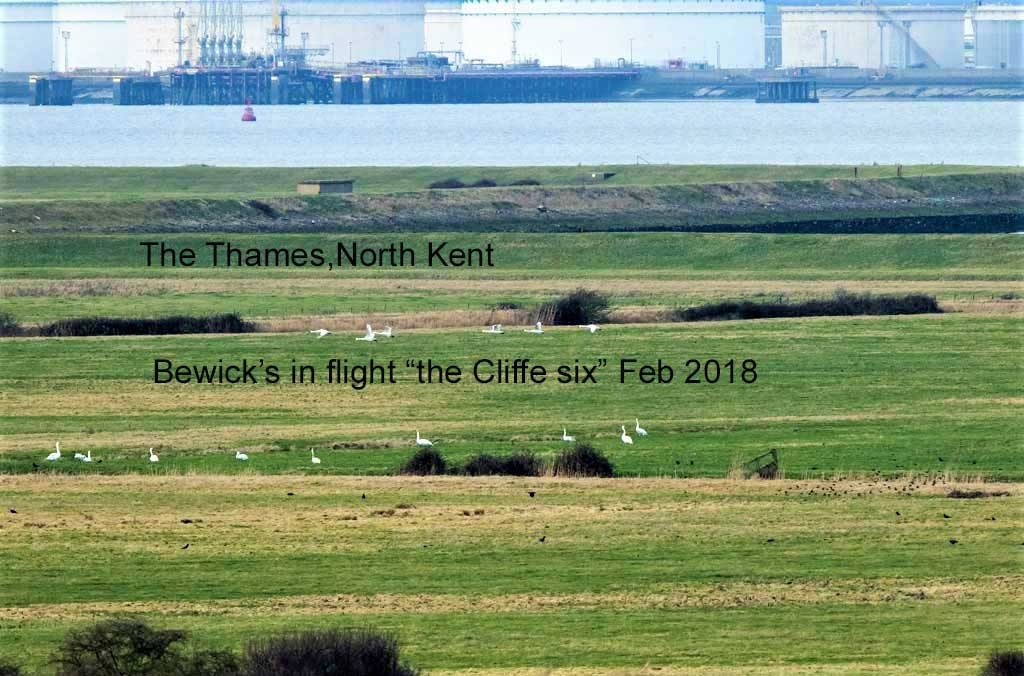
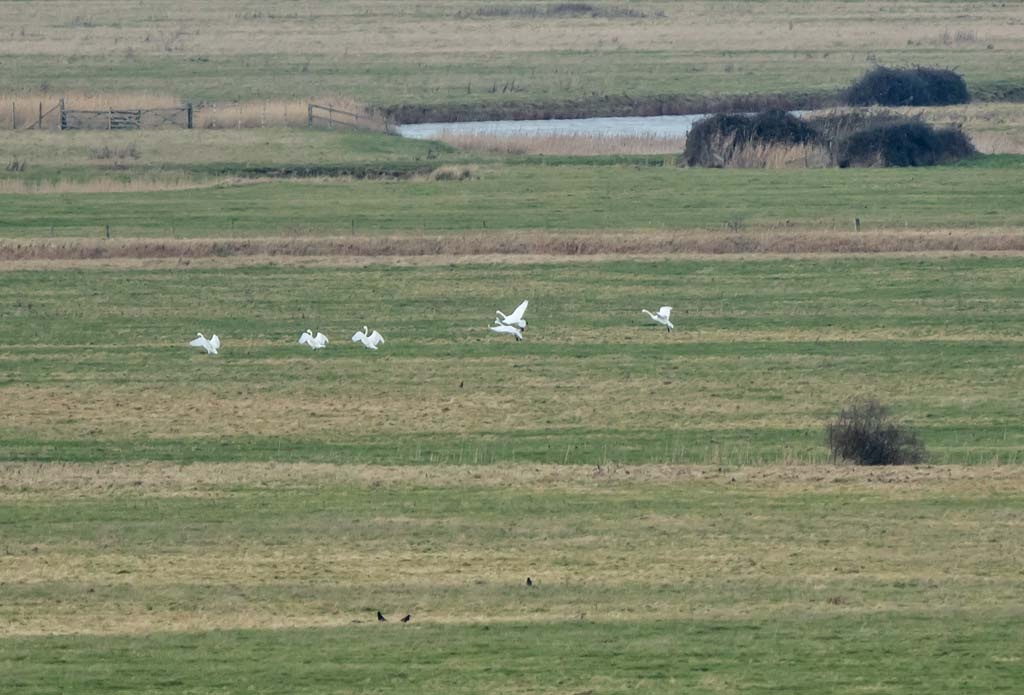
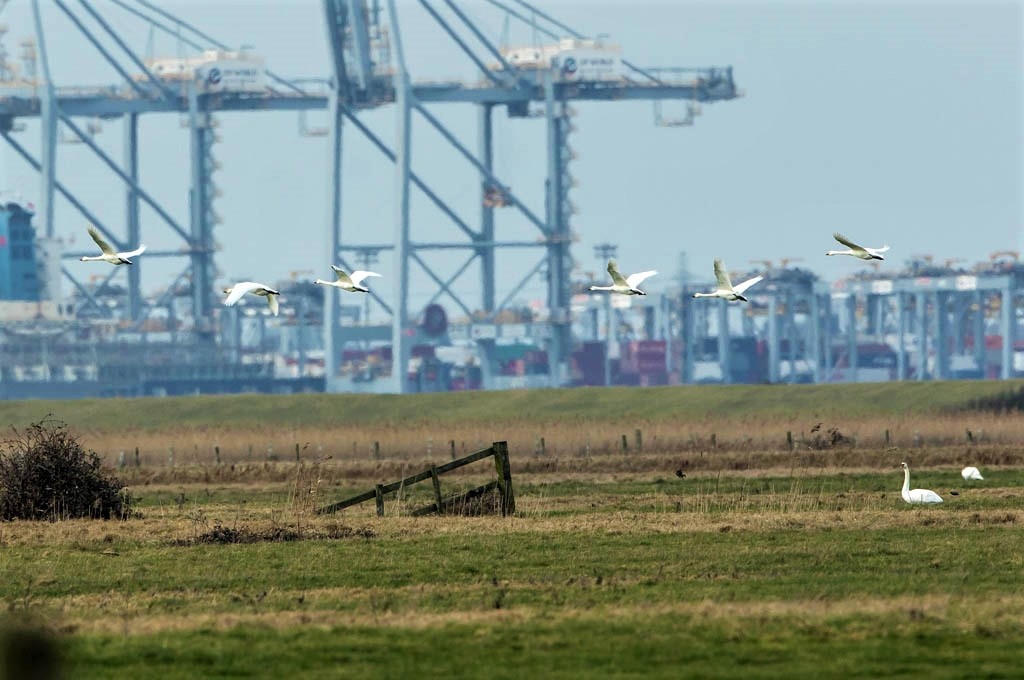
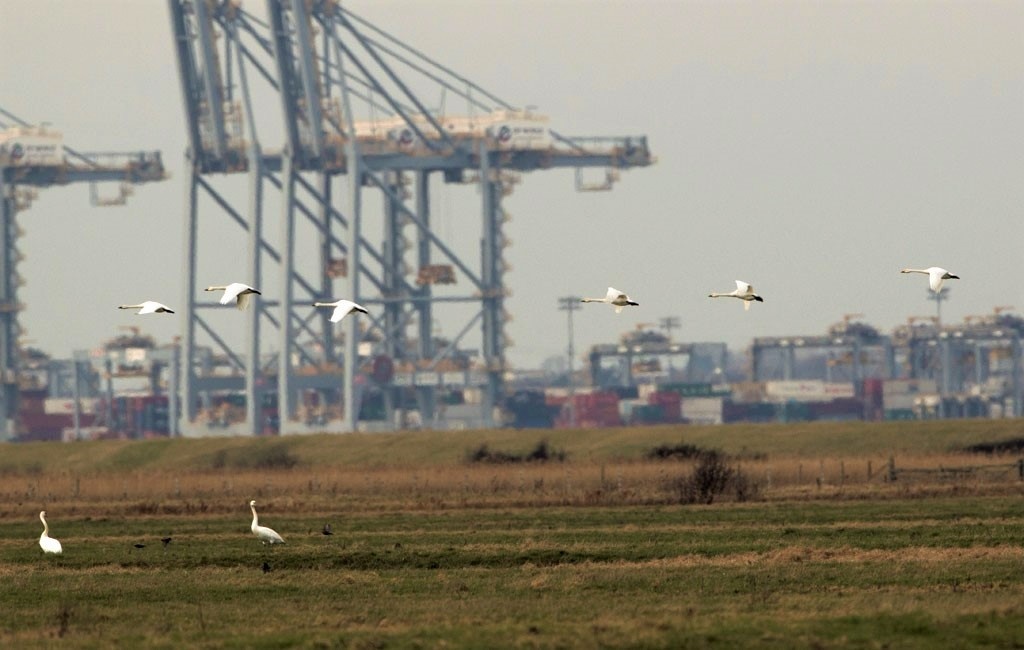
Not The End But The Beginning Of A Return Passage Back To Their Breeding Grounds In The Russian Tundra.
Coming Soon More Bewick's and Bill's.